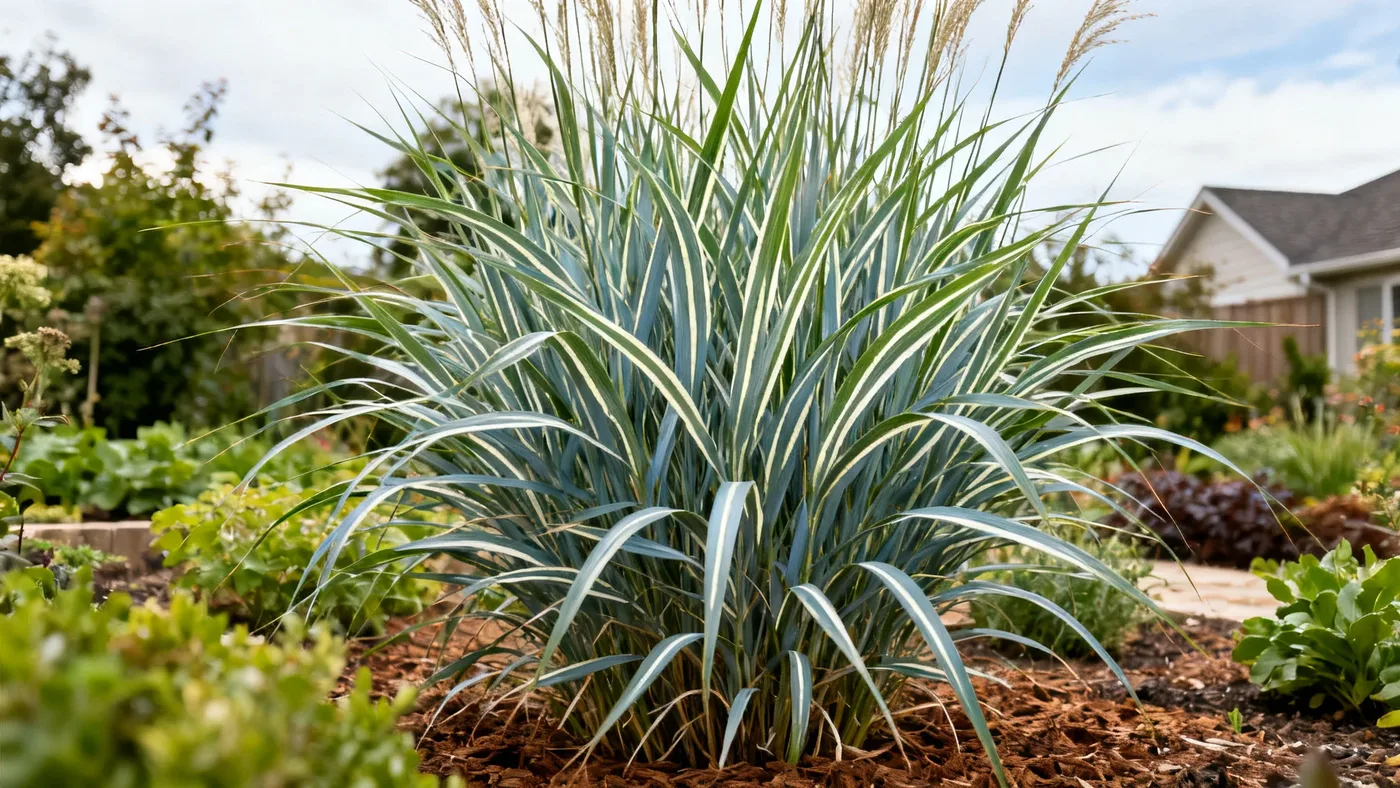
Best Soil for Adagio Grass: Drainage, pH and Amendments
Adagio Maiden Grass (Miscanthus sinensis 'Adagio') thrives in the right soil conditions, but the good news is it's not picky. This compact, fine-textured ornamental grass grows well in most well-drained soils, including clay. The real key is understanding what your soil needs and making a few simple improvements before planting. Get the foundation right, and your Adagio Grass will reward you with years of beautiful blue-green foliage and silvery plumes.
Why Soil Matters for Adagio Grass
Adagio Grass isn't a fussy plant, but poor soil can work against you. Waterlogged soil causes root rot, while compacted earth restricts growth. Overly rich soil packed with fertilizer triggers flopping and lodging, especially in shade. pH that's too far off either direction slows nutrient uptake. Most importantly, this grass develops a moderate growth rate of about 6 to 12 inches per year and reaches full clump size in 2 to 3 years. Soil that drains well and sits at the right pH accelerates that establishment and keeps your plant vigorous through the seasons.
What You'll Need
- A soil pH testing kit or soil sample for your local extension service
- Coarse sand or perlite (if drainage is poor)
- Compost or aged bark mulch
- Agricultural lime (if pH is below 6.0)
- Aluminum sulfate or sulfur (if pH is above 7.5)
- A balanced, slow-release fertilizer or light compost topdressing
- Shovel and spade
- A measuring tape or spacing guide
Step-by-Step Soil Preparation
Step 1: Test Your Soil pH
Start here. Adagio Grass adapts to soil roughly between pH 6.0 and 7.5, slightly acidic to neutral. Use an inexpensive home pH test kit from any garden center, or collect a sample and send it to your local extension service for a full analysis. Extension testing often gives you recommendations tailored to your region and tells you exactly how much lime or sulfur to apply. This takes the guesswork out.
Step 2: Assess Drainage
Dig a hole about 12 inches deep and wide in your planting area. Fill it with water and watch how fast it drains. Water should disappear within a few hours. If it sits for more than a day, you have a drainage problem. Clay soil is common and workable, but dense clay that holds water for days or weeks will rot Adagio Grass roots. If drainage is slow, plan to amend the soil before planting.
Step 3: Loosen and Amend the Planting Bed
Dig out the planting area at least 12 inches deep and at least as wide as your mature plant's spread. For Adagio Grass, plan on 24 to 36 inches of spacing around the plant, so a bed about 3 to 4 feet wide gives you room. Break up compacted soil with a spade. Remove rocks and debris. If your soil is dense clay or compacted, mix in 2 to 3 inches of coarse sand or perlite and turn it into the top 8 inches. This opens up pore space and improves water movement. Avoid fine sand, which can actually compact further.
Step 4: Add Organic Matter
Adagio Grass appreciates a moist but not waterlogged soil with a little organic structure. Mix 1 to 2 inches of compost or well-aged bark mulch into the amended bed. This improves water retention without creating boggy conditions. Work it in gently so the planting site is loose and crumbly. Resist the urge to bury the grass in rich compost. A light touch is best, this is a light feeder and over-amendment encourages soft growth that flops in wind or shade.
Step 5: Adjust pH if Needed
If your test showed pH below 6.0, apply agricultural lime according to the package rate for your soil type. If pH is above 7.5, use sulfur or aluminum sulfate at the recommended rate. Work the amendment into the top 6 inches of your prepared bed. Wait at least a week before planting to let the adjustment settle. If you're at 6.0 to 7.5 already, skip this step entirely.
Step 6: Plant and Water Thoroughly
Spring is the preferred planting season, though early fall also works in zones 5 to 9. Set the Adagio Grass at the same depth it was growing in its container. Fill the hole with amended soil, firm gently, and water deeply. Adagio Grass benefits from regular water in the first year, especially if rainfall is sparse. Water when the top inch of soil feels dry. A 1 to 2 inch mulch layer of compost around the base (not touching the crown) helps retain moisture while air circulates around the foliage.
Step 7: Fertilize Lightly in Spring
Once established, Adagio Grass is a light feeder. In the second year, apply a balanced slow-release fertilizer or a light compost topdressing in early spring, just as new growth emerges. Avoid heavy nitrogen feeding, which causes the same flopping problem as overly rich soil. One light application per year is plenty.
Tips to Ensure Success
- Test before you guess. Soil pH looks identical to the naked eye whether it's 5.5 or 7.5. A $10 kit or an extension test removes doubt and saves money on amendments you might not need.
- Don't mistake adaptation for indifference. Adagio Grass adapts to most well-drained soils, but adaptation doesn't mean it thrives equally in all of them. Good drainage is non-negotiable.
- Drainage beats fertility every time. A sandy soil with so-so nutrients performs better than a rich clay that stays wet. The grass will find the nutrients it needs if the roots aren't drowning.
- Amend clay, don't replace it. You don't need to dig out all your clay and haul in new topsoil. Mixing in sand and organic matter to 8 to 12 inches usually solves the problem.
- Skip the peat moss. Peat retains too much water for Adagio Grass and breaks down fast in warm climates. Compost or bark work better and hold their structure longer.
- Watch the spring emergence. Adagio Grass is slow to emerge in spring and can look dead until late spring. Don't assume it didn't survive the winter. Wait until late May or early June in northern zones before concluding something went wrong.
Common Mistakes to Avoid
Over-fertilizing. One application of balanced slow-release fertilizer per year is the limit. Heavy feeding, especially with nitrogen, causes flopping and soft growth that invites disease. Save the rich amendments for your vegetable garden.
Planting in poorly drained soil without amendment. If you can't improve drainage before planting, consider growing Adagio Grass in a large container with quality potting soil instead. It's sold commonly as a quart container starter plant for just this reason, and containers make drainage foolproof.
Burying the crown. The crown of the grass (where foliage emerges from the roots) should sit at soil level or just barely above. If you bury it under 2 inches of mulch, you risk rot. A 1 to 2 inch mulch layer around the base, pulled back slightly from the crown itself, is the target.
Ignoring pH extremes. While Adagio Grass is adaptable, soil pH far outside the 6.0 to 7.5 range does limit nutrient availability. If your soil is very acidic or very alkaline, a modest pH adjustment pays dividends over the life of the plant.
Expected Results
Well-prepared soil sets the stage for steady growth. In its first season, expect the grass to focus on root establishment more than visible top growth. By the second growing season, you'll see noticeably fuller foliage and better plume development. The grass reaches its mature width of 2.5 to 3.5 feet and mature height of 3 to 4 feet by year 2 or 3. Fall color shifts to tan or golden bronze, and the dried plumes persist through winter, providing structure and winter interest. In poor soil or poorly drained conditions, that timeline stretches, and you may see reduced flowering or a weaker-looking clump. In well-prepared soil at the right pH with good drainage, Adagio Grass typically outperforms expectations.
When to Call Your Extension Service
If your soil test reveals severe deficiencies (very high or very low pH, missing major nutrients like potassium or phosphorus) or if root rot appears despite good drainage practices, contact your local extension service. They can recommend region-specific amendments and diagnose unusual problems with microscopy or laboratory testing. For most gardeners and landscapers, a simple soil pH test and the amendments listed above are all you need.
Quick Reference: Soil Setup Checklist
| Task | Timing | Target or Action |
|---|---|---|
| Test soil pH | Before planting | Aim for 6.0-7.5; adjust if outside range |
| Assess drainage | Before planting | Water should drain within a few hours; if not, amend |
| Loosen planting bed | Before planting | Dig 12 in deep, 3-4 ft wide; break up compacted soil |
| Add sand or perlite (if needed) | Before planting | 2-3 in mixed into top 8 in of dense clay |
| Mix in compost or bark | Before planting | 1-2 in worked gently into amended bed |
| Apply pH amendment (if needed) | 1 week before planting | Lime or sulfur per package rate; work into top 6 in |
| Plant Adagio Grass | Spring preferred or early fall | Set at soil level; space 24-36 in apart |
| Water first season | Spring through fall | Regular water when top inch of soil is dry |
| Light fertilizer (optional) | Early spring of year 2 onward | Balanced slow-release or light compost topdressing only |
| Check plume and foliage maturity | Years 2-3 | Full mature habit by 3rd growing season |
For more detailed care after planting, see Adagio Grass Care: The Complete Growing Guide.