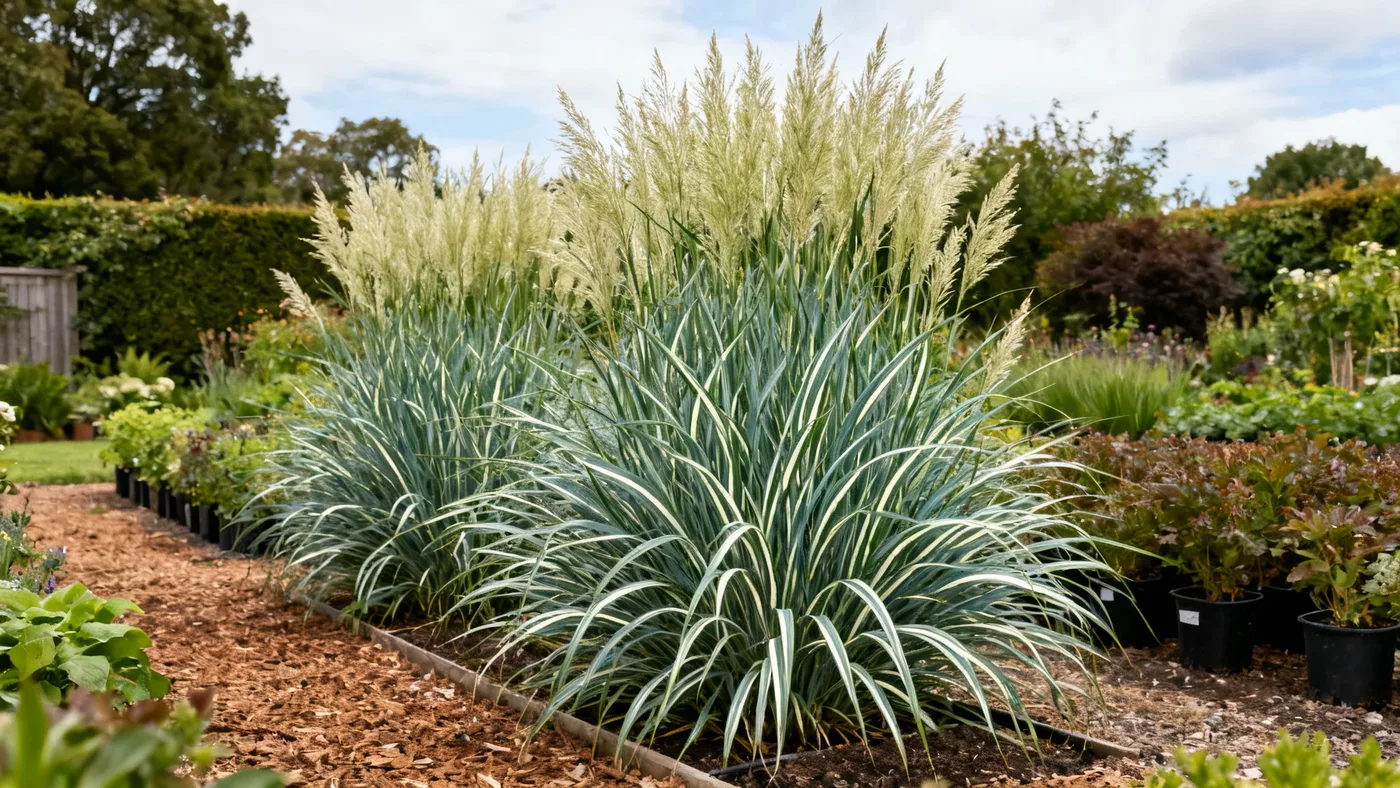
Do You Need to Fertilize Adagio Grass? A Simple Guide
If you've planted Adagio Grass in your garden, you might wonder whether it needs fertilizer to thrive. The short answer is: Adagio is a light feeder, which means it doesn't demand much nutrition to grow well. In fact, too much fertilizer can actually work against you. This guide walks you through everything you need to know about fertilizing Adagio Grass, when to feed it, and how to avoid the common pitfalls that trip up home gardeners.
Is Adagio Grass a Heavy Feeder?
No. Adagio Grass (Miscanthus sinensis 'Adagio') is classified as a light feeder. This means it thrives in average soil without constant nutrient supplementation. Many ornamental grasses, especially warm-season perennials, have modest nutritional needs compared to vegetables or lawn grass. The key to growing Adagio successfully is understanding that more fertilizer is not better.
Adagio reaches its mature size of 3 to 4 feet tall over 2 to 3 years, with roughly 6 to 12 inches of new growth each year. This moderate growth rate doesn't require heavy feeding. In fact, over-fertilizing causes floppy, weak growth and can lead to clumps that collapse under their own weight, especially in light shade or overly rich soil. Keeping your hand light on the fertilizer is the smarter approach.
What Is the Best Fertilizer for Ornamental Grass?
For Adagio Grass, a balanced, slow-release fertilizer is the ideal choice. Look for a product with an NPK ratio close to 10-10-10 or similar (nitrogen, phosphorus, potassium in roughly equal proportions). Slow-release formulas feed your grass steadily over weeks or months, avoiding nutrient surges that encourage the soft, floppy growth you want to prevent.
Alternatively, a light compost topdressing in spring provides gentle, natural nutrition. If you apply 1/2 to 1 inch of finished compost around the base of the clump, keeping it a few inches away from the crown so it doesn't cause rot, you'll add organic matter and slow-release nutrients without the risk of over-feeding.
Avoid high-nitrogen fertilizers, which are often marketed for lawn greening. These will push leafy growth at the expense of flowering and can make your Adagio flop. Look at the label, and make sure the first number (nitrogen) is not significantly higher than the middle and last numbers.
When to Fertilize Miscanthus Adagio
Timing matters. Fertilize Adagio Grass once a year, in spring, as new growth emerges. The signal to fertilize is simple: wait until you see fresh shoots beginning to break from the clump. This is the moment the plant is ready to grow. In most zones (5 to 9), this occurs sometime between late February and mid-April, depending on your local climate. If you've cut back your Adagio in late winter or early spring (cutting the entire clump to 4 to 6 inches above ground before new growth starts), you'll have a clear view of when those new shoots appear.
Do not fertilize in fall. This can push tender growth that the cold will kill, weakening your plant heading into winter. Spring is the only time to feed Adagio.
How to Fertilize Adagio Grass: Step-by-Step
Materials You'll Need
- Balanced slow-release fertilizer (10-10-10 or similar) or finished compost
- Measuring cup or scale (if using granular fertilizer)
- Work gloves
- Watering can or hose
- Mulch rake or stiff brush (optional, for tidying)
Application Steps
Step 1: Assess the condition of your clump. Look at your Adagio Grass. You should see fresh, light-colored shoots emerging from the base. If the clump looks weak or has sparse new growth, it may benefit from a fertility boost. If it looks vigorous already, a light hand with fertilizer is fine.
Step 2: Clear away old mulch. If you have mulch around the base of the plant, pull it back 4 to 6 inches to expose bare soil. You want the fertilizer to reach the soil, not sit on top of mulch where it breaks down less efficiently.
Step 3: Apply the fertilizer. Follow the label instructions for your specific product. As a general guide, for a mature clump, 1/4 to 1/2 cup of balanced granular fertilizer is usually sufficient. If you're using compost instead, apply 1/2 to 1 inch as a light topdressing, keeping it a couple of inches away from the crown of the plant. Do not pile it directly against the stems.
Step 4: Water thoroughly. Water the fertilized area well. If you used granular fertilizer, water activates the release. If you applied compost, water helps it settle into the soil. A deep soaking (aiming for 1 to 2 inches of moisture) is better than a light sprinkle.
Step 5: Replace mulch. Once the fertilizer has been watered in, pull the mulch back around the plant. Maintain a light mulch layer of 1 to 2 inches of wood chips or compost to conserve moisture and regulate soil temperature.
Step 6: Monitor growth through the season. Watch your Adagio as it grows through spring and summer. You should see new shoots lengthening steadily, and by late summer through fall (typically August to October), flowering plumes in coppery-pink to silvery-pink should emerge. If growth looks vigorous and plumes appear full and sturdy, your fertilizing was right on target.
Tips to Avoid Common Mistakes
Mistake 1: Over-fertilizing. This is the most common error. Adagio is a light feeder. One spring application is enough for most soils. If you're tempted to fertilize again in midsummer, resist. Extra nutrition at that point usually leads to weak, floppy growth.
Mistake 2: Using lawn fertilizer. High-nitrogen lawn fertilizers are designed for dense turf and will make Adagio Grass bushy, leafy, and prone to flopping. Stick to balanced, slow-release formulas.
Mistake 3: Fertilizing before new growth is visible. If you apply fertilizer while the ground is still frozen or when shoots haven't yet emerged, it won't reach the root zone efficiently. Wait until you see new growth breaking from the clump.
Mistake 4: Piling fertilizer or compost directly against the crown. This can trap moisture around the base and cause rot. Always keep a 2 to 3-inch gap between soil amendments and the plant's center.
Mistake 5: Ignoring soil quality. If your soil is already rich from recent compost, aged manure, or other organic matter, Adagio may not need supplemental fertilizer at all. Observe the plant's growth and color before deciding to fertilize. A plant in poor, sandy soil may benefit from a spring boost, while one in newly prepared beds may not.
What Results Can You Expect?
With appropriate spring fertilizing, your Adagio Grass should show steady new growth through late spring and early summer. The foliage, which is narrow and fine-textured with blue-green to gray-green blades, will maintain good color, and the plant will reach its mature clump width of 2.5 to 3.5 feet within 2 to 3 years.
In late summer and fall, you can expect abundant flowering plumes in coppery-pink to silvery-pink tones, aging to silvery-white through winter. Adequate but not excessive fertility supports strong flower production without the lodging and sprawl that over-fed plants develop.
If your Adagio looks weak, sparse, or flowering poorly despite spring fertilizer, the issue may be insufficient light (Adagio tolerates light or part shade but flowers best in full sun), water stress, or soil drainage rather than nutrition. Check those factors before assuming more fertilizer is the answer.
Quick Reference: When and How to Fertilize Adagio Grass
| Task | Timing | Details |
|---|---|---|
| Spring fertilizer application | When new shoots emerge from the clump | Apply 1/4 to 1/2 cup balanced slow-release (10-10-10) or 1/2 to 1 inch compost; water in well |
| Frequency | Once per year | Do not apply additional fertilizer in summer or fall |
| Fertilizer type | Always | Balanced, slow-release; avoid high-nitrogen lawn fertilizers |
| Avoid direct contact | Always | Keep fertilizer 2 to 3 inches away from the plant crown |
| Growth expectancy | Over 2 to 3 years | 6 to 12 inches of new growth per year; reaches mature size 3 to 4 feet tall, 2.5 to 3.5 feet wide |
| Expected flowering | Late summer to fall (Aug-Oct) | Coppery-pink to silvery-pink plumes, aging to silvery-white through winter |
For complete care guidance on watering, pruning, winter maintenance, and all other aspects of growing Adagio Grass, see our complete growing guide.