Adagio Grass Care: The Complete Growing Guide
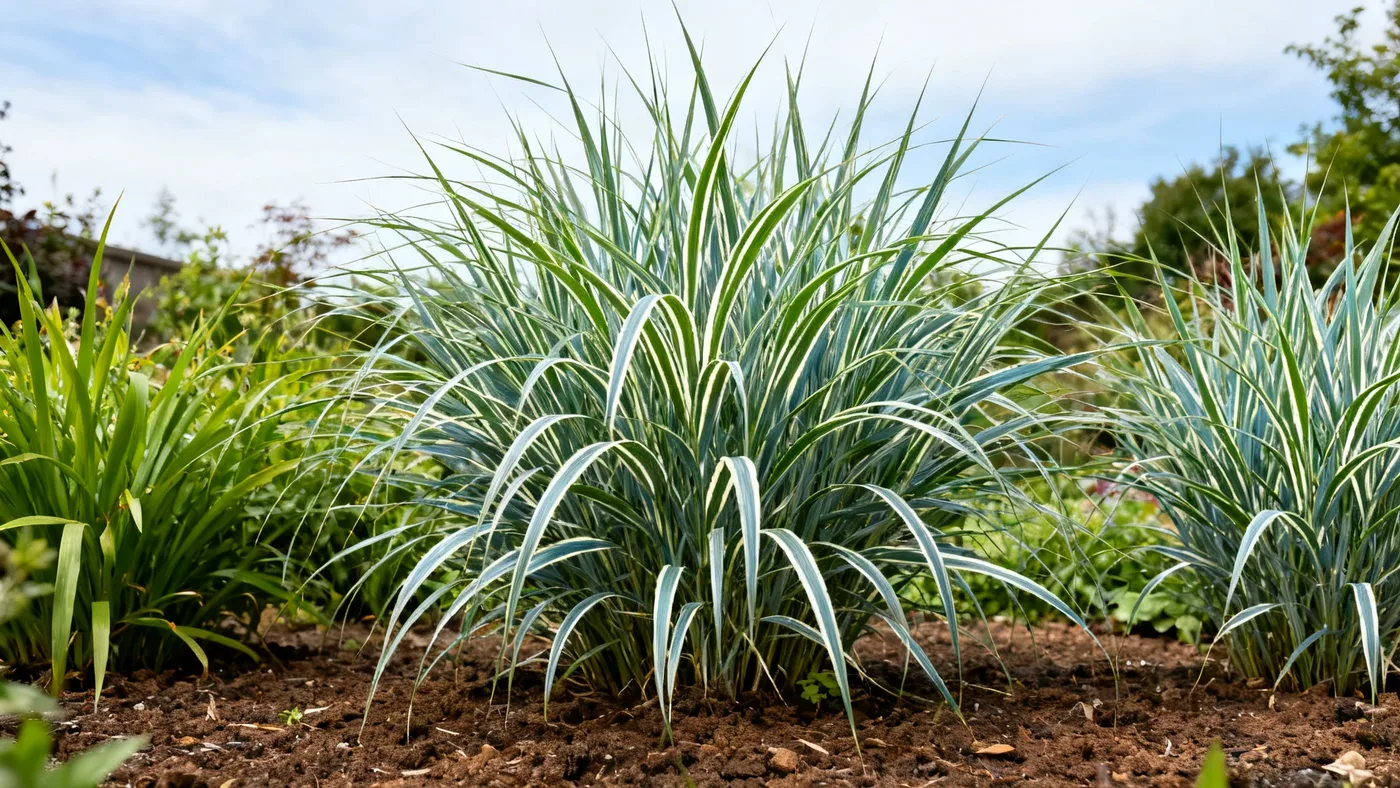
Adagio Maiden Grass (Miscanthus sinensis 'Adagio') is a compact ornamental grass that rewards straightforward care with years of reliable performance. This guide covers everything a home gardener or landscaper needs to know about keeping your adagio grass healthy, vibrant, and full of late-summer color from planting day through winter dormancy.
Quick Takeaways: Adagio Grass Care at a Glance
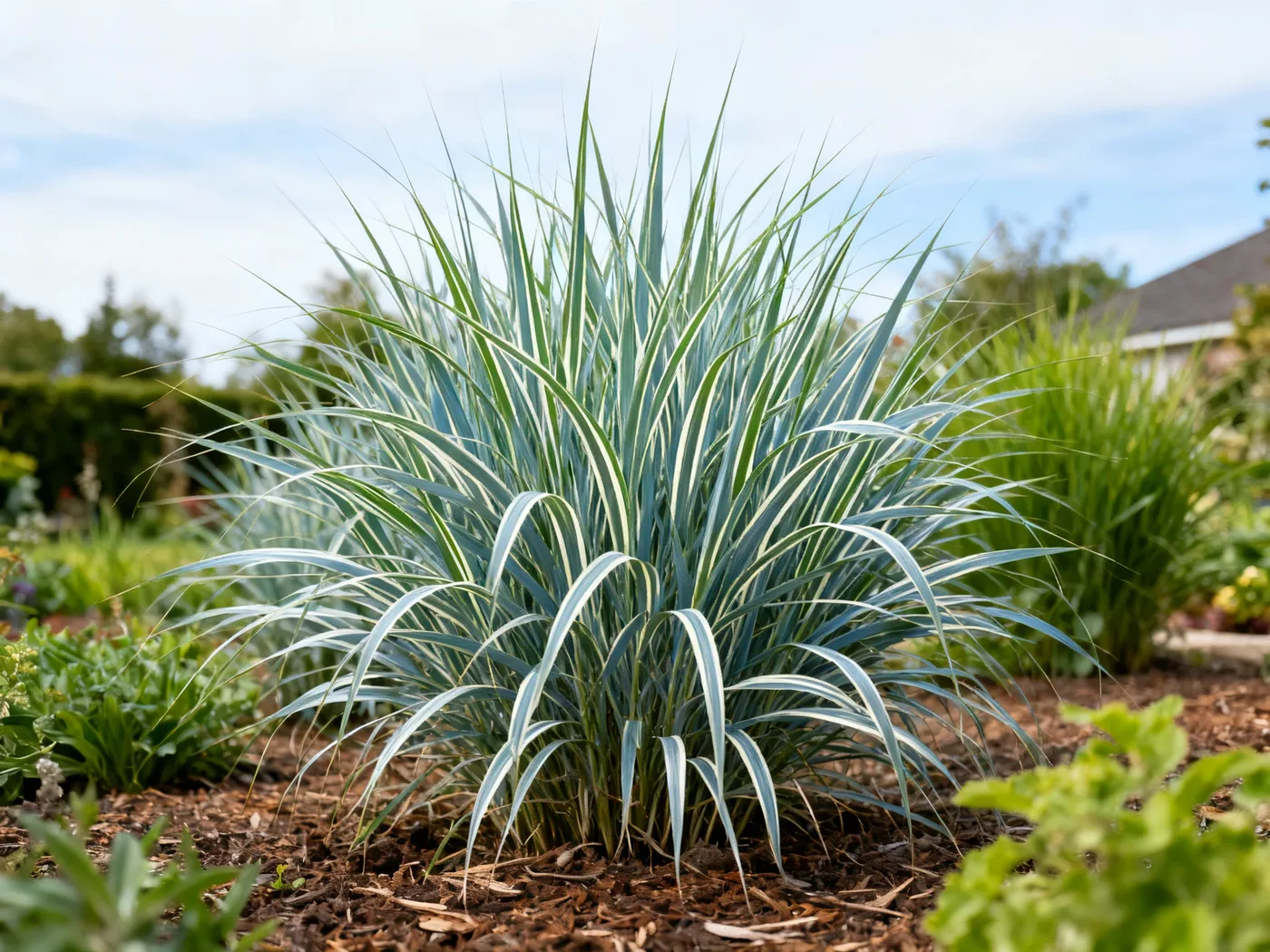
- Hardy in USDA zones 5 through 9; mature height 3 to 4 feet with plumes extending to 3.5 to 4.5 feet
- Reaches full mature size in 2 to 3 years; grows 6 to 12 inches per year until established
- Requires full sun for best flowering; tolerates partial shade but blooms and habit decline
- Moderately drought tolerant once established; needs regular water in the first year after planting
- Blooms August through October with coppery-pink plumes aging to silvery-white; foliage turns tan and golden bronze in fall
- Cut back to 4 to 6 inches above ground in late winter or early spring before new growth; leave standing through winter for structure and wildlife habitat
- Space plants 24 to 36 inches apart; light feeder requiring only balanced spring fertilizer or compost topdressing
- Divide established clumps every 3 to 4 years in early spring to maintain vigor and clump shape
Getting Started with Adagio Grass: Planting and Site Selection
Adagio Maiden Grass thrives when you match its simple requirements at planting time. Spring planting is preferred because it allows the grass to establish a strong root system before the first winter. In zones 8 and 9, early fall planting also works if soil stays warm enough for root growth.
When to Plant
Plant adagio grass in spring as soon as the soil is workable and daytime temperatures are warming. This timing gives the plant 6 to 8 months to develop roots before dormancy sets in. Avoid planting in late fall in zones 5, 6, or 7, where young plants may not survive the first hard freeze.
Choosing Your Location
Select a spot with full sun for 6 to 8 hours daily. Adagio grass can tolerate light shade or part-shade sites, but flowering becomes sparse and the clump habit loosens. In particularly hot southern zones, light afternoon shade may reduce stress, but don't sacrifice too much light in the name of afternoon cooling.
Planting Steps
- Prepare the planting hole about 1.5 times the width of the root ball
- Loosen the surrounding soil so roots can spread easily into clay or compacted ground
- Position the crown (where shoots emerge) at or slightly above soil level; avoid burying the crown
- Backfill with native soil mixed lightly with compost if available
- Water thoroughly to settle the soil around the root ball
- Space plants 24 to 36 inches apart in groups or borders to allow mature spread (2.5 to 3.5 feet wide)
Adagio grass is commonly sold as a quart-sized container starter plant, which allows gardeners to establish plantings of multiple specimens affordably before they reach full mature height.
Sunlight and Location Requirements
Full sun is the foundation of robust adagio grass care. Here's why light matters so much to this cultivar.
Full Sun for Peak Performance
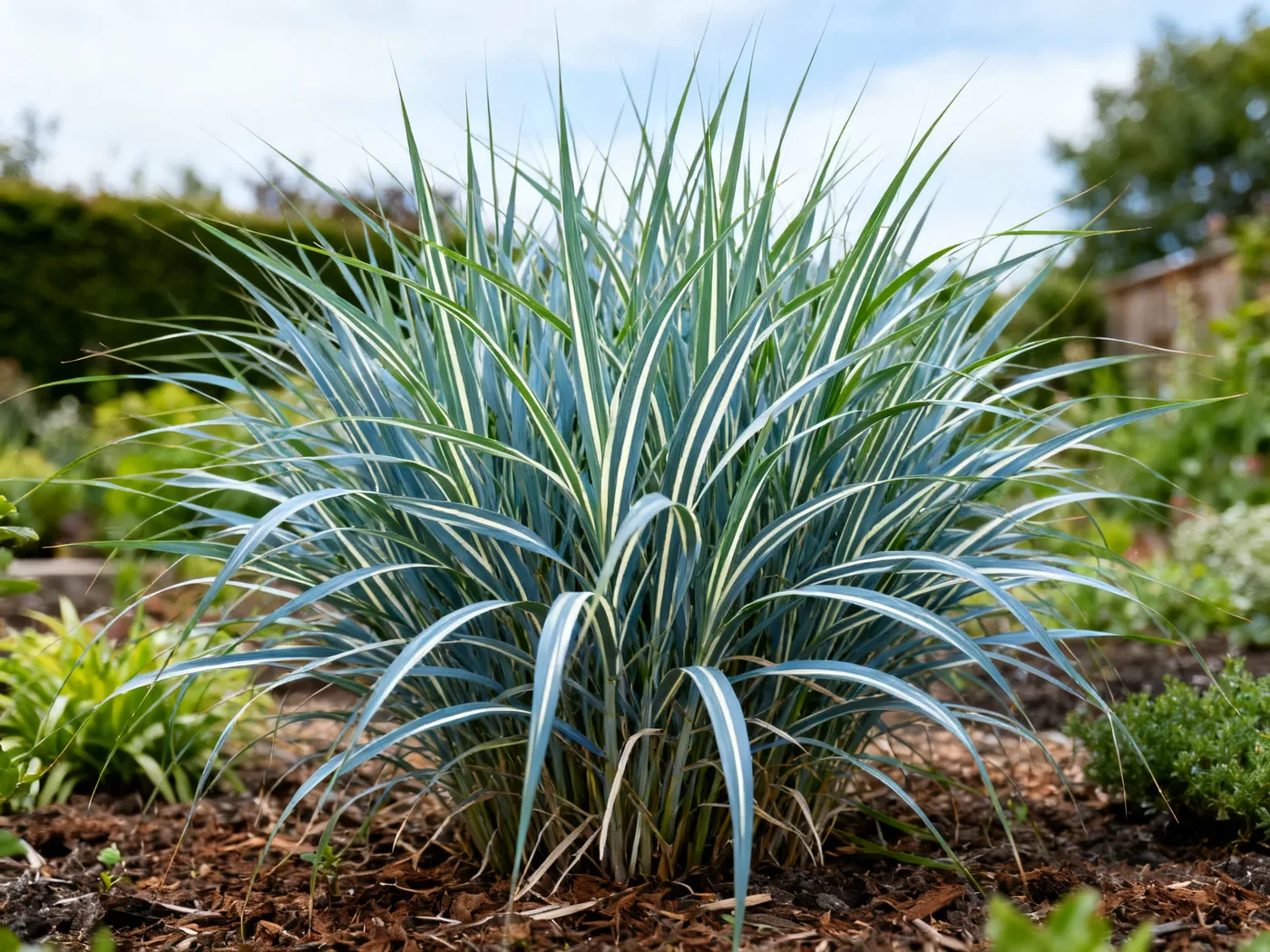
Adagio grass opens its flowering potential in full sun (6 to 8 hours minimum, 8+ hours optimal). Plants in full sun produce denser clumps, more upright habit, and prolific coppery-pink to silvery-pink plumes from August through October. The narrow, fine-textured blue-green foliage with its distinctive white midrib also displays best color intensity in bright light.
Part Shade Compromises
Partial shade or afternoon shade results in fewer blooms, a more open clump, and possible stretching toward light sources. Avoid dense shade under tree canopies or in north-facing pockets where the grass becomes weak and spindly. If your landscape offers only part-shade locations, pair adagio grass with companions that tolerate lower light, but understand you're trading flowering and habit for foliage interest.
Heat and Wind Tolerance
Adagio grass handles coastal salt exposure and windswept sites reasonably well (moderate salt tolerance). The compact clump form resists strong winds better than taller grasses. However, ensure air circulation to reduce rust and leaf blight, especially in humid climates.
Watering and Soil Fundamentals
Soil quality and watering rhythm directly shape how well your adagio grass grows and how quickly it reaches full size. This section covers the foundation of healthy root development.
Soil Preferences
Adagio Maiden Grass adapts to most well-drained soils, including clay. It prefers moist but not waterlogged soil with a pH range of 6.0 to 7.5 (slightly acidic to neutral). Heavy clay is tolerable as long as water doesn't pool around the crown for days after rain. If your site drains poorly, amend the planting area with compost or sand to improve drainage and prevent root rot.
First-Year Watering
During the first growing season, water regularly (about 1 inch per week via rainfall or irrigation) to help the grass establish a deep root system. Water at soil level rather than overhead to keep foliage dry and reduce disease. Inconsistent watering stresses the plant and slows establishment, so aim for steady moisture in the root zone rather than feast-or-famine cycles.
Established Drought Tolerance
By year two and beyond, adagio grass shows moderate to good drought tolerance once established. Mature clumps survive dry spells without supplemental watering in most climates, though occasional deep watering during prolonged drought keeps the grass vigorous. In containers, check soil moisture frequently because potted plants dry faster than in-ground plantings.
Ongoing Moisture Management
After establishment, let soil dry slightly between waterings unless you're in an arid climate or growing in containers. Overwatering encourages floppy, weak growth and increases disease risk. In rainy climates, supplemental watering is rarely needed except during summer dry spells.
Fertilizing and Growth Management
Adagio grass is a light feeder and does not need heavy nutrition to thrive. In fact, over-fertilizing causes the opposite of what you want.
Spring Feeding
Apply a balanced slow-release fertilizer (such as 10-10-10 or similar ratio) once in spring as new growth appears, or use a light compost topdressing (about 1 inch) around the plant. This single spring application supplies enough nutrients for a full season of growth. Water in the fertilizer or compost to help it settle around the base.
Why Less Is More
Over-fertilizing triggers excessive leaf growth, which weakens stems and leads to lodging (flopping). The grass becomes gangly and loses its upright, clumping form. If you're tempted to feed again in mid-summer, resist the urge. Adagio grass performs better on modest nutrition with consistent watering.
Growth Timeline
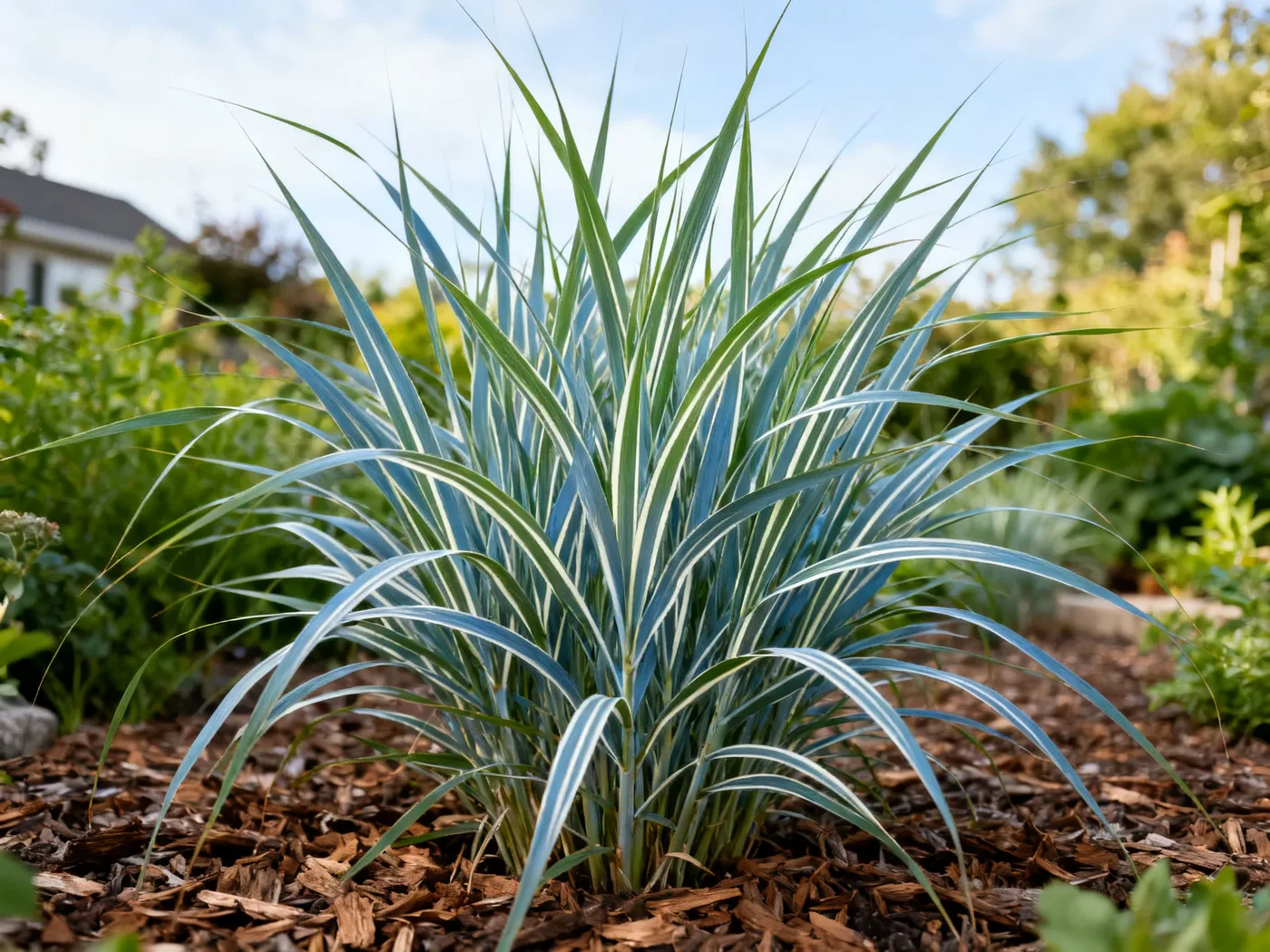
Expect modest early growth in year one. New shoots emerge, and the clump gradually fills in. Year two brings noticeably more growth and often the first flowering. By year three, adagio grass reaches its mature size of 3 to 4 feet tall (foliage mound 2.5 to 3 feet, plumes extend it to 3.5 to 4.5 feet) with a mature width of 2.5 to 3.5 feet. Growth rate averages 6 to 12 inches of new foliage per year until full maturity.
Seasonal Pruning and Winter Care
The annual pruning cycle is crucial to adagio grass longevity and winter interest. Timing and technique prevent disease and keep the plant vigorous for years to come.
Late Winter Cutback
Cut the entire clump back to 4 to 6 inches above ground in late winter or early spring before new growth emerges (typically late February through March in zones 5-7, earlier in warmer zones). Use sharp hedge shears or a string trimmer, and cut decisively to the target height. Remove all dead stems and leaf litter to the compost pile.
Why Timing Matters
Never cut back adagio grass in fall or early winter. Standing dried foliage and plumes provide invaluable winter structure, visual interest, and nesting material for birds and beneficial insects. Cutting back too early removes this habitat and exposes the crown to frost damage in colder zones. Wait until late winter when soil is thawing and new shoot tips begin emerging at the crown.
Winter Interest
Leave adagio grass standing through winter. Foliage transforms to tan and golden bronze as temperatures drop, and the silvery plumes persist, creating elegant texture and movement in the dormant landscape. This four-month display offers as much seasonal interest as the summer and fall blooms.
Division for Vigor
Every 3 to 4 years (typically in early spring just as new growth breaks dormancy), divide established clumps to maintain vigor and refresh the planting. Dig up the entire clump, split it into 2 to 4 sections with a sharp spade, and replant divisions at the same spacing as new plants. This simple step keeps adagio grass vigorous and prevents the center from dying out.
Common Problems and Solutions
Adagio Maiden Grass is a hardy, pest-resistant plant, but a few issues occasionally appear. Here's how to recognize and manage them.
Flopping or Lodging
Problem: Clumps lean or sprawl instead of remaining upright.
Causes: Over-fertilizing (most common), excess shade, or overly rich soil.
Solution: Reduce spring fertilizer or omit it entirely next year. Ensure the plant receives 6+ hours of direct sun daily. Avoid amending planting holes with too much compost or manure.
Slow Spring Emergence
Problem: Adagio grass appears dead or dormant longer than expected in spring.
Cause: This is normal behavior, not a sign of failure. The grass is slower to break dormancy than many perennials, especially in cooler zones.
Solution: Be patient. New shoots typically emerge 4 to 6 weeks after soil warms in spring. Mark the planting area so you don't accidentally disturb it or plant over it. Water if spring is unusually dry.
Rust or Leaf Blight
Problem: Orange or brown spots on foliage, or yellowing leaves in humid summers.
Causes: Rust is occasional and more common in humid climates. Leaf blight is rare.
Solution: Improve air circulation by spacing plants adequately (24 to 36 inches apart) and removing competing vegetation. Avoid overhead watering. Most minor rust resolves on its own. Severe cases respond to removal of affected stems and a fungicide if needed (check your local extension service for approved products).
Root Rot
Problem: Clump fails to emerge in spring or roots feel mushy when dug.
Cause: Poorly drained soil or waterlogged planting location.
Solution: Amend heavy clay with compost and sand before planting, or choose a site with better drainage. If a mature plant develops rot, dig it, trim back rotted roots to healthy tissue, repot or replant in amended soil, and hold back on watering until new growth appears.
Occasional Pests
Adagio grass is generally pest-free. Occasional aphids or mealybugs (rare, mostly on stressed plants) can appear but rarely threaten the plant's health. A strong spray from the hose dislodges aphids; mealybugs on a single stressed specimen may warrant removal of that section or a targeted insecticidal soap. Deer rarely browse adagio grass due to its tough, fine-textured foliage.
Landscaping with Adagio Grass and Companion Plants
Adagio Maiden Grass shines in mixed perennial borders, mass plantings, and containers. Here's how to pair it with companions for cohesive landscapes.
Companion Plant Pairings
The fine, upright texture of adagio grass contrasts beautifully with bold-leaved companions. Try these proven pairings:
- Sedums and Hylotelephium: Succulent textures and late-season color pair well with grass foliage and extend bloom season
- Rudbeckia (Black-eyed Susan): Yellow daisy blooms from summer into fall echo the golden tones of adagio's autumn foliage
- Echinacea (Purple Coneflower): Tall cultivars bridge the gap between grass height and offer coordinating late-season blooms
- Russian Sage (Perovskia): Airy purple-blue flowers complement the fine texture of adagio grass without competing visually
- Asters: Late-blooming mums and asters coordinate with adagio plume colors and fill space after spring bloom
- Ornamental Sedges (Carex): Dwarf sedges edge taller adagio clumps without creating a flat, layered look
Mass Plantings and Focal Points
Repeat adagio grass in groups of three or five for rhythmic visual impact. A single specimen works as a focal point in smaller gardens or as a specimen in a large container. Mass plantings of adagio grass (spaced 24 to 36 inches apart) create elegant screening or erosion control on slopes while requiring minimal maintenance once established.
Container Growing
Adagio grass thrives in large containers with good drainage. Use a container at least 18 inches deep and 18 inches wide, filled with quality potting mix. Container plants dry faster than in-ground plantings, so monitor soil moisture more closely during the growing season. Divide container-grown plants every 2 to 3 years to maintain vigor. Container plantings extend the growing season in colder zones because the pot insulates roots slightly.
Quick Reference: Adagio Grass Care Checklist
| Task | Timing | Notes |
|---|---|---|
| Planting | Spring (preferred) or early fall in zones 8-9 | Space 24-36 inches apart; plant crown at soil level; water thoroughly |
| Watering (Year 1) | Weekly during growing season | Aim for 1 inch per week rainfall + irrigation; water at soil level |
| Watering (Established) | As needed during dry spells | Moderate drought tolerance; less frequent watering than year one |
| Spring Fertilizer | Once in early spring | Balanced slow-release (10-10-10) or light compost topdressing only |
| Annual Cutback | Late winter/early spring (Feb-Mar in zones 5-7) | Cut to 4-6 inches above ground; never cut back in fall |
| Division | Early spring every 3-4 years | Maintain vigor and prevent center dieback; replant sections at same spacing |
| Deadheading | Optional, after plumes fade | Leave for winter interest; cut back in late winter instead |
| Mulching | Spring (optional) | Light mulch helps retain soil moisture in year one; keep mulch 3 inches from crown |
Key Measurements at a Glance
- Mature height: 3 to 4 feet (foliage 2.5 to 3 feet, plumes 3.5 to 4.5 feet)
- Mature width: 2.5 to 3.5 feet
- Annual growth rate: 6 to 12 inches per year
- Time to maturity: 2 to 3 years
- Planting spacing: 24 to 36 inches apart
- USDA hardiness zones: 5 through 9
- Spring cutback height: 4 to 6 inches above ground
- Bloom period: August through October (timing varies by region)
- Soil pH: 6.0 to 7.5 (slightly acidic to neutral)