Is Adagio Grass Drought Tolerant? Heat and Dry Soil Guide
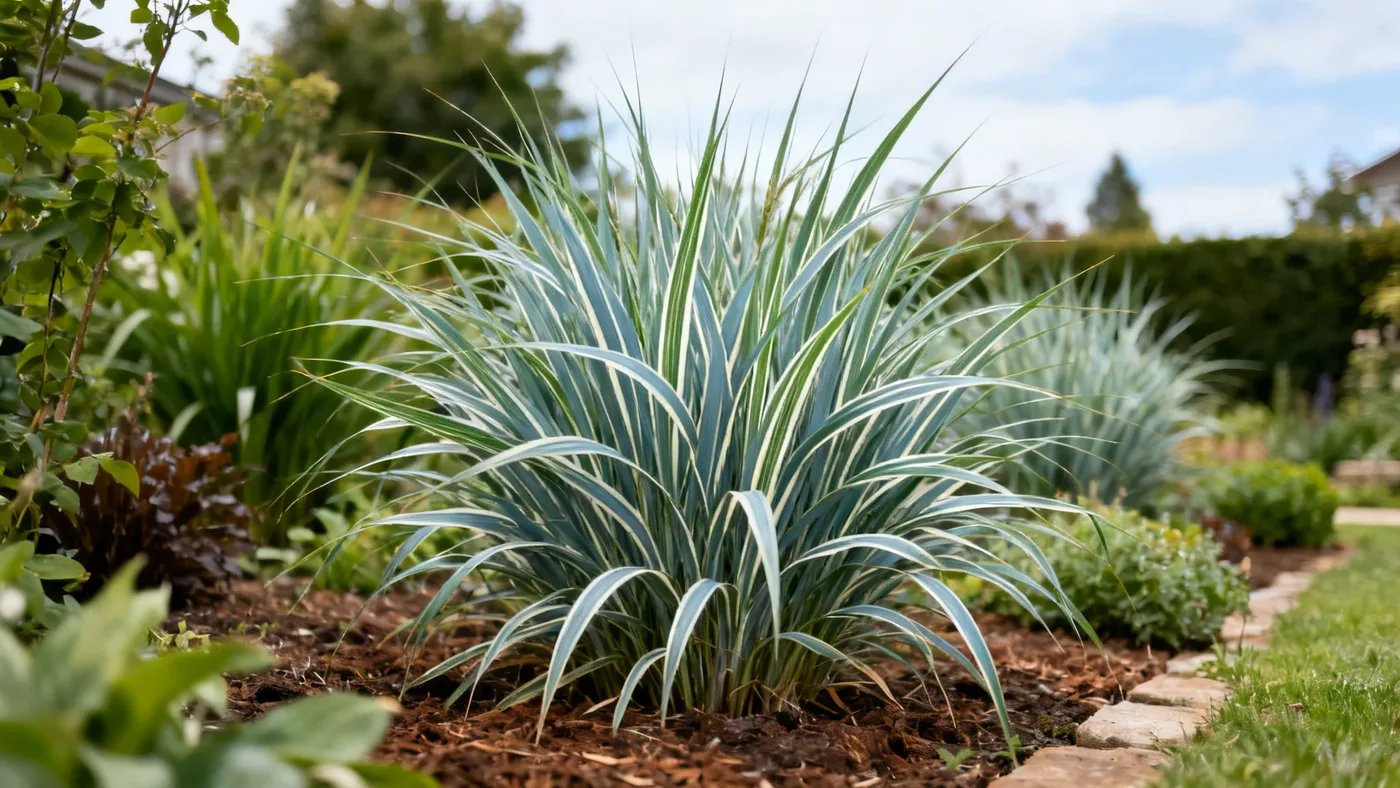
Adagio Grass (Miscanthus sinensis 'Adagio') is a reliable choice for gardeners dealing with variable water availability. Once established, this ornamental grass shows moderate to good drought tolerance without sacrificing the fine texture and late-summer plumes that make it a standout in the landscape. The real story, though, is more nuanced. Your success depends on understanding when to water, what soil works best, and how to set up the plant for long-term resilience. This guide answers the questions we hear most often from gardeners in dry climates and those wanting lower-maintenance gardens.
Drought Tolerance Fundamentals
Is Adagio Grass truly drought tolerant?
Adagio Grass has moderate to good drought tolerance once established, making it a solid option for water-conscious gardeners. However, "established" is the key word. The plant needs regular water in its first year to develop a deep root system, then becomes increasingly drought resilient in years two and three.
How long does Adagio Grass take to become drought tolerant?
Expect full drought tolerance by the end of the plant's second growing season. During year one, prioritize consistent moisture to help the plant build a strong root foundation. By year three, when the clump reaches its mature size of 2.5 to 3.5 feet wide, it will handle dry spells far better than many perennials.
Can I plant Adagio Grass in a xeriscape garden?
Yes, Adagio Grass fits well in xeriscaping schemes, especially in zones 5-9 where it's hardy and well-adapted. Pair it with other drought-tolerant perennials like Sedum, Rudbeckia, and Russian sage for a cohesive, low-water design. The fine-textured foliage and persistent plumes add visual interest to dry gardens year-round.
What makes Adagio Grass more drought tolerant than other grasses?
This cultivar's fine-textured roots and upright growth habit allow it to access moisture efficiently across a wider soil profile. Unlike turf grasses that demand frequent shallow watering, Adagio Grass develops deep roots once established, accessing water beyond the top few inches of soil.
First-Year Watering and Establishment
How much water does a newly planted Adagio Grass need?
Water new transplants deeply 2 to 3 times per week during the first growing season, or more frequently in hot climates. Aim for soil moisture equivalent to a wrung-out sponge. Regular water during year one is non-negotiable; it allows the root system to expand and prepares the plant for later drought resilience.
Should I mulch around newly planted Adagio Grass?
A 2 to 3-inch layer of compost or wood mulch around the base (but not directly against the crown) helps retain soil moisture during the critical first season. Mulch also moderates soil temperature and suppresses weeds, reducing competition for water. Remove the mulch ring in late winter before new growth emerges.
When can I stop frequent watering?
By late season of year one, or once the clump shows vigorous new growth in year two, you can shift to watering only during extended dry spells. Adagio Grass rarely needs supplemental water in average climates after its second season, though it will grow larger and bloom better with regular moisture.
Does spring rain count toward the water needs of young Adagio Grass?
Absolutely. If your region receives 1 to 2 inches of rain per week during the growing season, that usually meets the plant's needs, and you may skip supplemental watering. Monitor soil moisture at 4 to 6 inches deep; if it feels barely moist, supplemental water helps but isn't always required.
Heat Tolerance and Full Sun Performance
How does Adagio Grass handle extreme heat?
Adagio Grass thrives in full sun (at least 6 hours per day) and tolerates high temperatures well, making it suitable for zones 5-9. Its fine-textured foliage and upright clump form are best expressed in full sun conditions. In partial shade, the plant becomes more lax and flowers less reliably, even if temperatures are moderate.
Does Adagio Grass need afternoon shade in hot climates?
No. Adagio Grass performs best with all-day sun exposure, even in hot, dry climates within its hardy zone range. In fact, afternoon sun is ideal for flowering and foliage color. Partial shade (3 to 4 hours of direct sun) is the absolute minimum, and at that level, flowering and overall habit may suffer.
Will Adagio Grass wilt or turn brown in summer heat?
Established plants rarely wilt or brown from heat alone. If foliage turns pale or brown during summer, the cause is usually insufficient soil moisture, not temperature stress. Check soil moisture at 6 inches deep; if it's dry, water deeply. Heat-stressed foliage usually recovers within a day or two of proper watering.
When do the plumes appear in hot climates?
Bloom time is typically August to October, though it can vary by region and first-frost date. In warmer climates within zones 8 to 9, plumes may emerge slightly earlier, but the plant still needs the shortening days of late summer to trigger flowering. The coppery-pink plumes age to silvery-white or tan, providing months of ornamental value.
Soil Conditions for Drought Resilience
What soil type is best for drought-tolerant Adagio Grass?
Adagio Grass adapts well to most well-drained soils, including clay, and prefers soil that is moist but not waterlogged. Avoid compacted or poorly draining clay without amendment; standing water in winter can cause root rot. Add compost or leaf mold to heavy soils to improve drainage and water-holding capacity simultaneously.
How does soil pH affect drought tolerance?
Adagio Grass is adaptable to soil pH between roughly 6.0 and 7.5 (slightly acidic to neutral). pH does not directly influence drought tolerance, but correct pH ensures efficient nutrient uptake, which strengthens the plant and improves its overall resilience. Most home soils fall within this range; testing is only necessary if you suspect extreme conditions.
Should I amend the planting hole for Adagio Grass?
Amend only if your native soil is compacted clay or poorly draining. Mix the existing soil with 25 to 30 percent compost to loosen texture and improve both drainage and water retention. Paradoxically, better-structured soil holds water more efficiently, which aids drought tolerance. Avoid peat moss or sand alone, which can create barriers to root penetration.
Does fertilizer affect drought tolerance?
Light feeding supports health but excessive nitrogen can cause rank, floppy growth that lodges in rain or wind and paradoxically becomes more water-stressed. Apply a balanced slow-release fertilizer or a light compost topdressing in spring only. Over-fertilized Adagio Grass becomes weak and less drought-resilient.
Long-Term Care and Maintenance
How often should I water an established Adagio Grass?
Once established (year two onward), Adagio Grass rarely needs supplemental water in average climates. Water only during extended dry spells (more than 2 to 3 weeks without rain). Deep, infrequent watering encourages deeper root growth and is better than frequent shallow watering.
Does Adagio Grass need water in winter?
No supplemental water is needed in winter, even in dry climates. The plant is dormant and uses minimal moisture. Leave the dried foliage and plumes standing through winter for structure and wildlife habitat; do not water. Cut the entire clump back to 4 to 6 inches above ground in late winter or early spring before new growth emerges.
How does pruning affect drought tolerance?
Proper pruning has no direct effect on drought tolerance, but it keeps the plant healthy and prevents disease. Cut back annually in late winter before new growth, removing dead foliage and opening the clump. Never cut back in fall, which exposes the crown to winter damage. Regular division every 3 to 4 years maintains vigor.
Will Adagio Grass need more water as it ages?
A mature Adagio Grass clump, reaching 2.5 to 3.5 feet wide, actually requires less supplemental water than a young plant because the extensive root system accesses deeper soil moisture. Mature plants rarely need watering except in severe drought. Division every 3 to 4 years rejuvenates the clump and restores vigor if growth slows.
Companion Planting and Design
What plants pair well with drought-tolerant Adagio Grass?
Adagio Grass complements other drought-tolerant perennials beautifully: Sedum/Hylotelephium, Rudbeckia, Echinacea, Russian sage (Perovskia), asters, and ornamental sedges (Carex). These companions share similar water and sun needs, creating a cohesive design that requires minimal supplemental irrigation once established. Mixing textures (fine grass, bold coneflower, soft sage) ensures visual interest in all seasons.
Can I use Adagio Grass in a rain garden or slope planting?
Yes. Adagio Grass is excellent for erosion control on slopes and works well in rain gardens where occasional wet spells are followed by dry periods. Its dense clump prevents soil loss, and the moderate salt tolerance means it tolerates occasional roadside or coastal conditions. Space plants 24 to 36 inches apart on slopes to maximize coverage.
Is Adagio Grass a good choice for containers?
Adagio Grass is suitable for large containers (at least 15 to 20 gallons) with excellent drainage. Container plants dry out faster than in-ground plantings, so plan for regular watering during the growing season and protection from extreme heat. Use a high-quality potting mix with added compost, and repot every 2 to 3 years as the clump expands.
Troubleshooting Dry-Climate Issues
Why is my Adagio Grass wilting despite recent watering?
Wilting shortly after watering usually indicates poor drainage or compacted soil preventing root penetration. Dig down 6 to 8 inches; if soil is soggy, aeration or replanting in improved soil is necessary. If soil drains quickly but the plant still wilts, the clump may need division because the center has died or roots are exhausted.
Can Adagio Grass handle salt spray or salty soil?
Adagio Grass has moderate salt tolerance, meaning it handles some coastal or roadside salt exposure. However, it is not a halophyte and should not be planted in heavily saline soils. In coastal gardens, position it away from direct salt spray, and rinse foliage with fresh water after heavy salt fog events. Leaching the soil occasionally helps manage salt buildup.
Quick Reference: Drought Care Checklist
| Timeline / Condition | Watering and Care |
|---|---|
| Planting (spring, zones 5-9) | Water deeply 2-3 times per week for first 8-12 weeks or until established. Add 2-3 in mulch ring. |
| Year 1, growing season | Maintain moist (not waterlogged) soil. Water if rain is absent for 1-2 weeks. By late season, reduce frequency. |
| Year 2 and beyond | Water only during extended dry spells (2-3+ weeks without rain). Mature clump rarely needs supplemental water. |
| Soil conditions | Well-drained, moist (not waterlogged). Amend clay with 25-30% compost. pH 6.0-7.5 preferred. |
| Sun exposure | Full sun (6+ hours). Avoid partial shade, which reduces flowering and increases water stress. |
| Fertilizer | Light feeder. One balanced application or compost topdressing in spring. Avoid over-fertilizing. |
| Pruning | Cut back to 4-6 in in late winter/early spring. Never cut back in fall. No watering needed in winter. |
| Winter hardiness zones | Zones 5-9. No special water management needed in winter dormancy. |
| Mature size at 3 years | 2.5-3.5 ft wide, 3-4 ft tall with plumes. Large, deep root system improves drought tolerance. |
| Bloom time | August-October (varies by region). Full sun and established roots produce the best plume display. |
For a complete overview of growing and maintaining Adagio Grass, including detailed seasonal care and design ideas, visit the complete growing guide. That resource covers everything from planting depth to dividing mature clumps, and pairs well with this drought-focused guide for gardeners in water-conscious regions.