7 Common Adagio Grass Problems and How to Fix Them
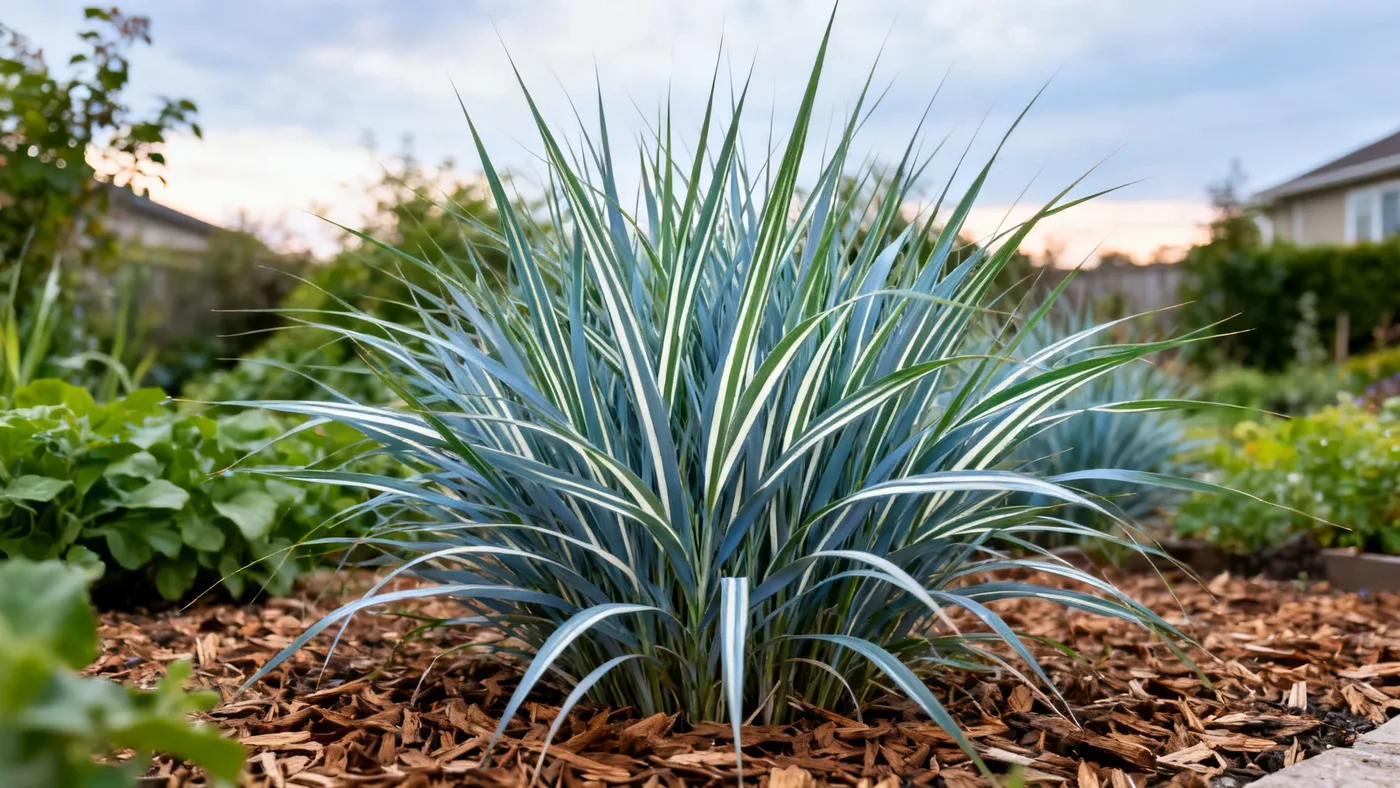
Adagio Grass is a forgiving ornamental that thrives in zones 5-9 with minimal fuss, but like any plant, it can run into trouble. Whether your grass is flopping, slow to wake up in spring, or not flowering at all, the good news is most adagio grass problems come with straightforward fixes. We've seen these issues in thousands of gardens, and in nearly every case, the fix is about understanding what the grass needs.
This guide walks you through the seven most common common miscanthus grass issues and how to solve them. If you're new to growing Adagio, start with our complete growing guide to get the basics down.
1. Flopping or Lodging Growth
Your Adagio Grass stands 3 to 4 feet tall in the catalog, but in your garden it's splayed outward, leaning on neighbors, or collapsing in the center. This is the most common complaint we hear, and it has one of two causes: overly rich soil or not enough light. Adagio is a moderate feeder, not a heavy one. If your soil is loaded with compost, aged manure, or high-nitrogen fertilizer, the grass grows soft and floppy instead of sturdy. Too much shade (less than full sun) also causes weak growth and a sprawling habit.
The fix depends on the cause. If you amended heavily, stop fertilizing and let the plant settle in. You can also divide the clump in early spring and replant in leaner soil. If shade is the issue, either move the grass to a sunnier spot during dormancy or accept a more relaxed form. Adagio tolerates light to part shade, but flowering and habit are best in full sun. We've also found that staking or a plant ring can hold it upright through a season while you adjust sunlight or soil.
Takeaway: Light feeders belong in lean soil and full sun. If you see flopping, pull back on fertilizer and count your light hours.
2. Slow Spring Emergence (Looks Dead)
It's late April. Everything else in the garden is leafing out, but your Adagio is still bare brown stems. By May or June, you're convinced it didn't survive the winter, so you dig it up. A week later, tiny shoots emerge from the roots you just unearthed. This happens because Adagio Grass is a warm-season grass. It doesn't wake up until the soil is genuinely warm, which can be late May or even early June in zones 5 and 6. This is normal, not a sign of death.
To avoid the panic and the accidental dig-up, mark the clump's location in fall and wait until early June before assuming it's gone. You can also clip old foliage back to 4 to 6 inches in late winter or very early spring (before new growth appears) so you see bare ground and know something is there. Patience is the whole fix here. Once soil temperatures hit 60°F consistently, the grass will push new growth fast.
Takeaway: Warm-season grasses emerge late. Mark the spot and trust the process; no digging without solid proof the plant is dead.
3. Reduced or No Flowering
By late August or September, your neighbor's Adagio Grass is topped with coppery-pink to silvery plumes, but yours has nothing. Adagio flowers reliably in zones 5-9 during late summer to fall, typically August through October. If your plant is not blooming, shade is almost certainly the culprit. Adagio needs full sun to produce flowers consistently. Even part shade can delay or prevent flowering altogether.
The second issue is age: a young, newly planted clump may not flower until its second or third growing season. If your Adagio is less than two years old, give it time. If it's older and shaded, you have two options. Thin nearby trees or shrubs to open the canopy, or move the grass to a sunnier bed during dormancy (early spring). Moving is easiest if you're dividing an established clump anyway. Fresh divisions planted in full sun will flower within one to two years.
Takeaway: Flowers need sun. Young plants need time. If neither explains the blank, you have a light problem to solve.
4. Root Rot from Poor Drainage
You planted Adagio in what looked like good soil, but after heavy rain or a wet spring, the center of the clump begins to rot or smell sour. Adagio Grass adapts to most soils, including clay, but it does not tolerate waterlogged or poorly drained soil. If water sits around the roots, they rot. This is less common than flopping, but it's fatal if you don't catch it.
First, stop watering and let the soil dry out if possible. If the whole clump is mushy, it's likely too far gone and will need to be removed and composted. Prevention is much easier: plant in well-drained soil, even if you have to amend a heavy clay bed with perlite or sand. Adagio prefers moist but not waterlogged soil, so ensure water drains within 24 hours of rain. If your garden is naturally boggy, consider building a raised bed or planting on a slope.
Takeaway: Drainage is non-negotiable. If water pools, fix the soil or site before planting.
5. Rust and Leaf Diseases
Small reddish or brown spots appear on the blue-green foliage, sometimes with a rusty powder or halo. This is rust, a fungal disease that is occasional in Adagio Grass, especially in humid climates or during wet summers. Leaf blight is rarer but shows as tan or gray patches on the leaves. Most of the time, these diseases don't kill the plant, but they're unsightly and weaken growth.
The fix is cultural first: improve air circulation by spacing plants 24 to 36 inches apart and thinning old foliage in late winter before new growth emerges. Water at the soil level, not overhead, to keep leaves dry. If rust persists into mid-season, a fungicide labeled for ornamental grasses can help, but read the label carefully. We often just accept minor rust as part of the season, especially in humid regions, and it clears up on its own as the plant hardens off in fall. Leaf blight is so rare that treatment is usually unnecessary.
Takeaway: Rust is more cosmetic than dangerous. Better spacing and dry foliage prevent most cases. Fungicide is a last resort.
6. Brown or Yellowing Foliage
The foliage turns brown or pale yellow instead of the usual blue-green, or it happens prematurely in late summer. This is often a sign of stress: insufficient water during the first growing season, extreme drought, or nutrient deficiency (though Adagio is not a heavy feeder). In hot climates or sandy soil, newly planted Adagio benefits from regular watering for the first year until the root system is established. Once mature, it's moderately drought tolerant, but it still appreciates moisture during peak heat.
The fix is simple: water deeply if the soil is dry an inch below the surface during the growing season. A balanced, slow-release fertilizer or a light topdressing of compost in spring is usually enough. If browning occurs in fall, it's often just the plant's natural color change as it prepares for dormancy, which is fine. Golden-tan fall color is part of Adagio's charm and winter interest.
Takeaway: Water young plants regularly. Mature plants are tough but appreciate moisture in peak heat and drought.
7. Pest Damage (Aphids and Mealybugs)
Adagio Grass is generally pest-free and highly deer resistant, but occasional aphids or mealybugs can appear, especially on stressed plants. You'll notice small soft-bodied insects on new growth or a sticky residue on the foliage. Mealybugs are rare and usually only show up if the plant is weakened by poor drainage or severe drought.
For light infestations, a strong spray of water from the hose will dislodge most aphids. If the problem persists, an insecticidal soap or neem oil applied early in the morning will handle it. Always check the label to make sure it's safe for ornamental grasses. The best prevention is healthy plants in the right conditions: full sun, well-drained soil, and moderate water. Stress is what attracts pests, so if you're seeing frequent aphids, look for an underlying problem like poor drainage or too much shade.
Takeaway: Healthy plants resist pests naturally. Spray with water first. Insecticide only if the problem gets worse.
Quick Reference: Problem and Fix Checklist
| Problem | Most Likely Cause | Quick Fix |
|---|---|---|
| Flopping or lodging | Too much fertilizer or shade | Stop feeding, move to full sun, or stake |
| Slow spring emergence | Warm-season grass; waits for warm soil | Wait until June; mark location in fall |
| No flowers | Too much shade or too young (under 2 years) | Move to full sun or wait for maturity |
| Root rot or mushy center | Poor drainage, waterlogged soil | Stop watering, ensure drainage, replant in lean soil |
| Rust or leaf spots | Humidity, wet foliage, poor air flow | Space 24-36 in apart, water at soil level, thin old foliage |
| Brown or yellowing foliage | Drought stress, especially year one | Water young plants regularly, accept fall color |
| Aphids or mealybugs | Plant stress (poor drainage, shade) | Spray with water, apply insecticidal soap if needed, fix conditions |
Most adagio grass pests and diseases are preventable through proper site selection and soil prep. Plant in full sun, ensure good drainage, space plants correctly, and water young plants through their first season. After that, Adagio is tough and low-maintenance. If you do spot an issue, refer to this guide to diagnose it fast and get your grass back on track.