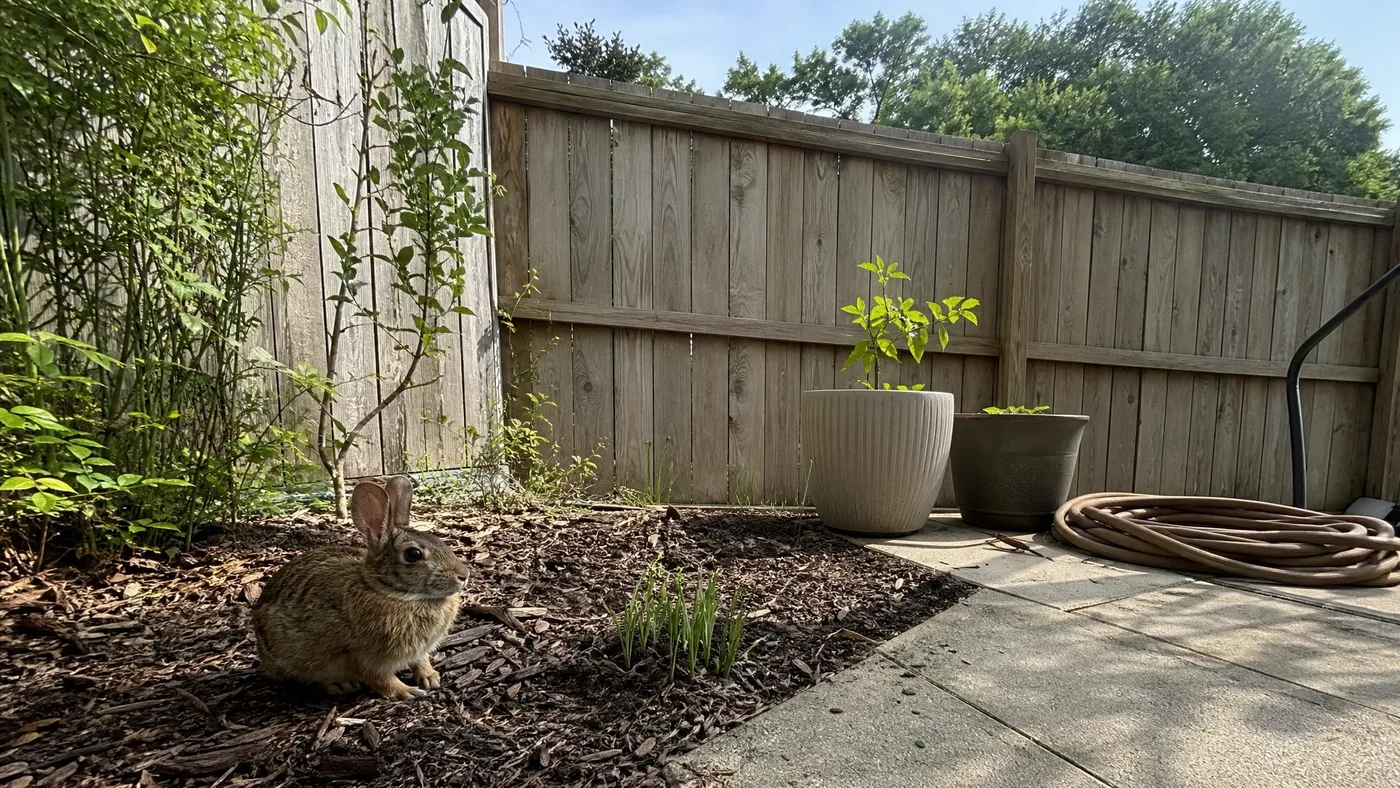
Is Adagio Grass Deer and Rabbit Resistant?
Plenty of buyers make the same mistake with Adagio. They read "deer resistant" as "deer never touch it" and leave a brand-new plant bare through its first spring, or they read one nibbled tip as proof the plant failed. Neither is right. Deer and rabbits mostly pass this grass by, and the exceptions are narrow and easy to plan for.
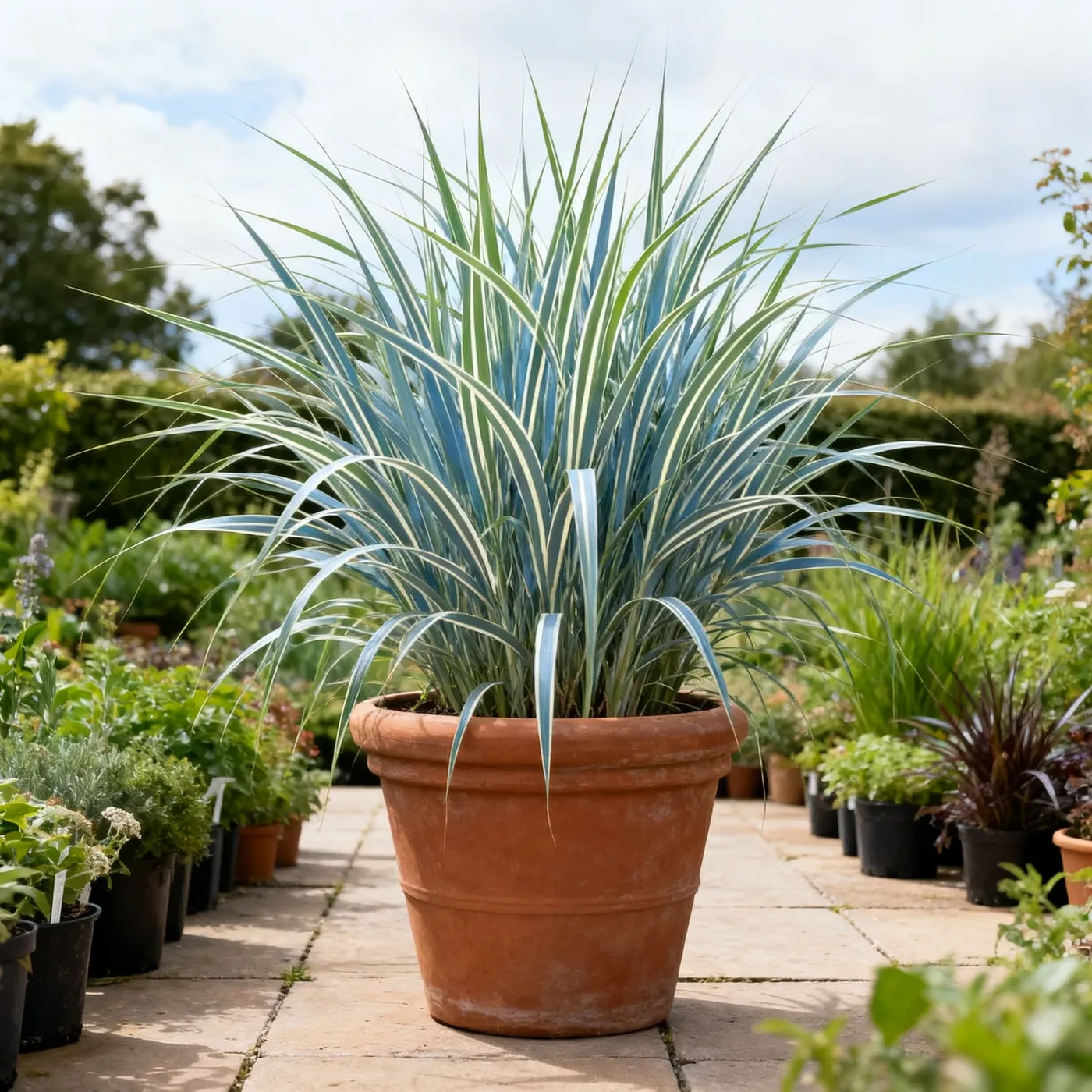
The real risk follows a calendar. It sits in the first season and in the few weeks when new spring shoots push up. Get that window right and you have a compact 3 to 5 foot mound that rarely needs fencing.
Below, you'll find out all about how deer and rabbits treat Adagio, including why the leaves put them off, what first-year plants face, when browsing still happens and how to protect new plants through their first season.
The Short Answer on Adagio Grass and Deer
Here is the direct answer, followed by the limits of it. Resistant does not mean immune, and the sources we rely on say so plainly.
Deer
For deer, the answer is mostly yes. NC State Extension says deer generally avoid eating ornamental grasses, and it names Miscanthus among the most dependable of them. The species, Miscanthus sinensis, is also deer resistant. Adagio is a cultivar of that species, so the rating carries over.
Those sources rate the species and the group, not Adagio by name. We say that so you know what the claim rests on. It is a sound basis, and it is why we call Adagio a plant you can set out and leave alone in most yards.
Rabbits
Rabbits are a lighter worry, with one catch. The extension sources we use speak mostly to deer, so we can't point you to a rabbit rating for Adagio. Our advice is to expect established clumps to be left alone and to expect tender new growth to draw a nibble now and then.
If rabbits are heavy in your area, ask your local extension service which plants they favor. Then treat the first season with care, as the sections below explain.
What "Resistant" Means for Your Yard
A resistant plant is one that animals rank low on the menu. It is not a force field. Adagio sits near the bottom of the deer menu in nearly every yard, which is the practical meaning of the word. Plan for the exceptions, not for a worst case that rarely arrives.
Why Deer Leave Adagio's Leaves Alone
Deer pick plants by texture and taste as much as by hunger. Adagio's foliage is built in a way that makes it a poor meal.
Narrow, Tough Blades
Adagio's leaves are long, narrow, gray-green and arching. Grasses in this group have fibrous, silica-rich blades, which give little reward for the effort of chewing. For scale, species blades run 0.25 to 2 inches wide and 3 to 5 feet long. Adagio's blades sit at the fine, narrow end of that range, so the clump reads as a wisp of hay rather than a salad.
A Small Clump With Little to Graze
The species can reach 12 feet. Adagio stays far smaller, at about 3.3 to 5 feet tall and roughly 1.6 to 3.3 feet wide. A deer passing a clump that size has little to gain from stopping. Our guide on how big Adagio gets covers the growth rate in more detail.
No Weak-Plant Signals
Animals often go for plants that look stressed or soft. Adagio is generally pest-free, and UF/IFAS says no pests or diseases are of major concern for the species. A clean, upright clump does not send the signals that invite a taste test.
What Changes With the Cultivar
Most deer-resistance claims you read online are written about the full-size species. Adagio shares the leaf type but not the scale. A giant miscanthus in a park gives a deer cover and bulk to push through. A compact clump at the front of a bed offers neither, so the plant is, if anything, less interesting to a browsing animal than its big relatives.
What First-Year Adagio Plants Face
The first season is the one stretch where Adagio is vulnerable. A young plant looks much like a mature one to a passing deer, but it has far less to lose.
Small Clumps Are Easy Targets
Adagio can be slow to establish. That means a new plant spends its first season as a small tuft with a modest root system. A mature clump shrugs off a bite. A new one can lose a good share of its blades to a single visit.
Pulled Plants, Not Eaten Plants
In our rows, the damage we see on new plants is usually a tuft that was tugged loose or clipped off, not a clump chewed to the ground. A shallow-rooted plant comes out of loose soil easily. Firm the soil well at planting, as our first-season planting guide explains.
We grow Adagio in containers sized for strong roots, which gives a new plant a head start. Roots that grip the soil are your best defense against a curious animal.
Why the First Season Matters Most
A clump that loses its blades in year one has to rebuild leaf area before it can rebuild roots. That slows an already unhurried plant, and a slow start keeps it in its exposed stage for longer. Protect it early and it moves out of that stage faster.
When Browsing Still Happens
Resistance has limits, and knowing them keeps you from being surprised. Three situations account for nearly every case of damage.
Hungry Deer
Resistance has limits, though. It does not mean deer won't eat a plant when the choice is eating something they dislike or starving. No plant is deer proof. In areas with high deer numbers, a harsh winter or a dry summer, grasses can get sampled.
New Spring Shoots
This is the timing that matters most for Adagio. When fresh blades emerge in spring, they are short and soft, and they lack the tall, arching, weathered look of full-grown foliage. That is when an animal is most likely to take a test bite. The window is a few weeks long, and then the clump grows out of it.
Rabbits and Young Stems
Rabbits tend to work low, so new shoots and a freshly cut crown are the targets. A mature, full clump hides its growing points among stiff blades. A cut-back or first-year plant does not.
Reading the Damage
Before you blame an animal, look at the plant itself. Torn or clipped blades point to browsing, and the height of the damage hints at who did it, since rabbits stay near the ground. A whole tuft lifted out of the soil points to tugging, not feeding, and the fix there is firmer planting.
Protecting New Adagio Plants in the First Season
Protection for Adagio should be light and temporary. The goal is to carry a young plant through the weeks when it is most exposed, then take the guards away.
Planting Checklist for Browsing Pressure
These steps cost little and fit most yards. Use the ones that match the pressure you see.
- Plant in full sun, which suits Adagio. A plant that grows well fills out faster and leaves the vulnerable stage sooner.
- Firm the soil around the root ball so the plant can't be tugged out in one pull.
- Set a small wire cage or a ring of mesh around the clump for the first season. Leave it open at the top so the blades can arch.
- Water on a steady routine so roots spread quickly. Our watering guide for new plantings covers the first-year schedule.
- Take the cage off once the clump is full and the base looks dense.
Advice We Don't Follow
You will hear that every deer-area planting needs repellent sprays on a schedule or a permanent fence. For Adagio, we don't recommend either as a default. Repellent is a chore that outlasts the problem, and a permanent barrier is overkill for a plant deer rarely want. Guard the first season, then leave it alone.
Where to Put It
Placement helps more than people expect. A clump near the house, a patio or a path sees more human activity, and animals approach those spots with more caution. Put new plants there if you can, and save the far edges of a property for plants that are older and fuller.
Mixing It With Other Plantings
Adagio works as a quiet buffer in a bed of tastier plants, but do not expect it to shield them. Animals read a bed plant by plant. If you plan a mixed border, our landscape ideas and companion plants list helps you pair it with partners that suit the same conditions.
Timing the Spring Cutback Around New Shoots
Adagio's yearly haircut lines up exactly with the vulnerable window. Done at the right moment, it protects the new growth. Done late, it clips it.
Cut Before the Shoots Show
Species foliage should be cut down in late winter or early spring, before or just as new blades begin to appear. Dead foliage and old flowered stems should likewise be removed in spring. Cut early and the new blades come up clean. Cut late and you shear off soft tips, which leaves ragged brown ends and a tempting snack.
Our guide on when and how to cut back Adagio gives the full method.
Guard the Freshly Cut Clump
A newly cut clump is a short stubble with a bare crown, which is the least protected it will be all year. If rabbits or deer visit your yard in spring, put the same small cage back for a few weeks. Remove it once the new blades stand tall.
Leave the Old Foliage as Long as You Can
Standing foliage through winter hides the crown and keeps the clump looking like the tough, dry grass that animals skip. The pink-tinged plumes of summer turn creamy white in autumn, and the leaves turn orange and yellow, so there is little reason to rush. Wait for late winter, then cut once.
Mistakes That Lead to Browsing Damage
Most damage traces to a handful of avoidable habits. Here they are, with the fix for each.
Mistake 1: Judging by the first month. A new plant that gets nibbled in week three says little about how it will do. Protect it and wait for the clump to fill.
Mistake 2: Planting beside a favorite food. Deer drawn to a nearby plant they love will browse the edges of everything beside it. Keep Adagio away from the plants that bring them in, or accept a little collateral nibbling.
Mistake 3: Starting with a tiny plant in a high-pressure yard. A bigger clump is a harder target. Our container size guide helps you pick one.
Mistake 4: Blaming deer for everything. Brown tips, flopping and thin clumps have other causes. Check our list of common Adagio problems before you buy a fence.
Customers usually ask us whether a browsed plant is lost. If the crown and roots are intact, it usually is not. Keep it watered and guarded, and let it regrow.
Adagio and Deer: Guard It Once, Then Enjoy It
Adagio is a deer-resistant, compact grass whose only real exposure is the first season and the weeks of spring regrowth. Fine, tough blades and a small clump give animals little reason to stop. Cut it back before shoots appear, keep a small cage on young plants, and don't count on any plant to be deer proof when food runs short.
Adagio Grass
Nursery-grown Adagio Grass in sizes from 1 Gallon, shipped to your door.
From $31.97
Shop Now →That is the plan we give everyone: guard the young plant, cut at the right time, and then leave it alone. Customers return to us for this grass because it stays tidy and needs so little from them, and we grow it on our own farms to that standard as growers of top-quality plants.