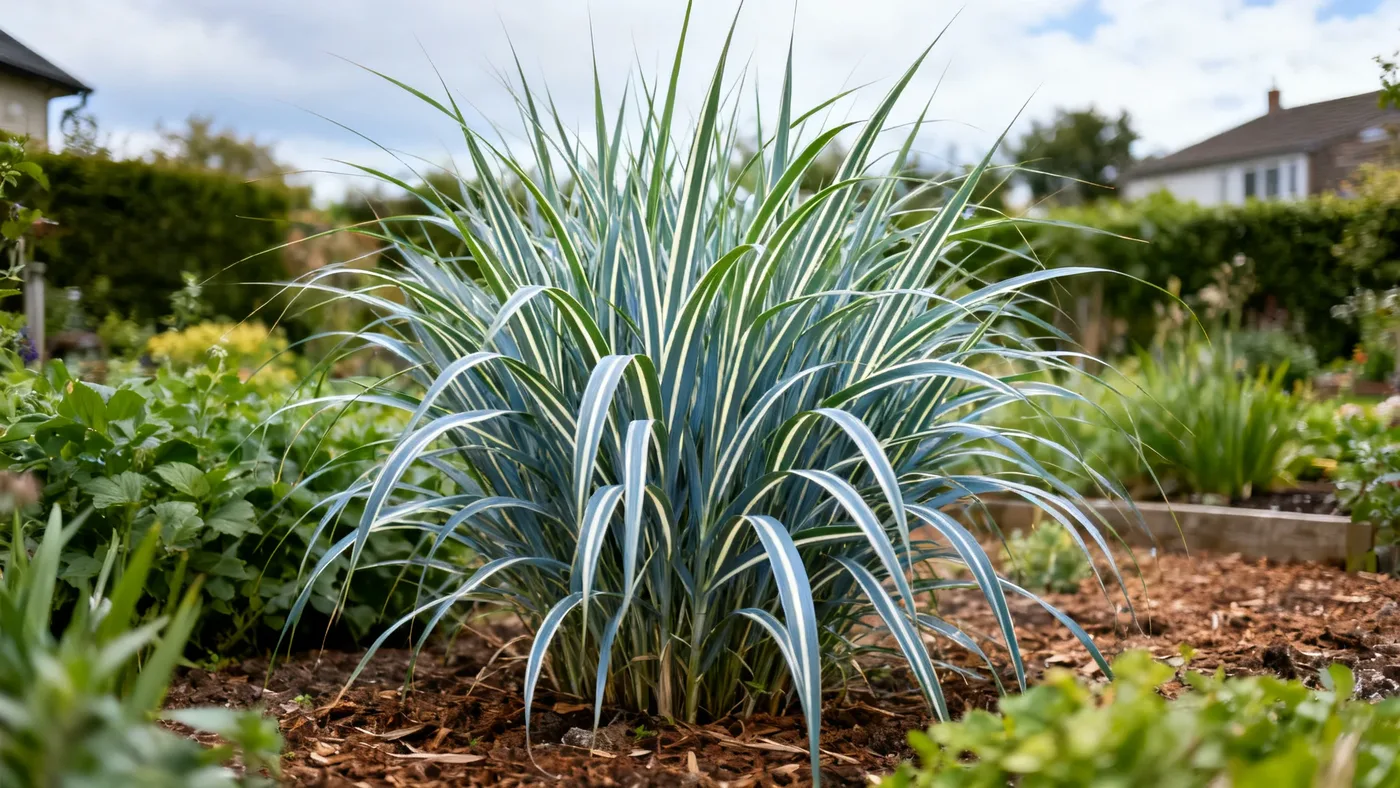
Adagio Grass Hardiness Zones: Where It Will Thrive
Adagio Grass (Miscanthus sinensis 'Adagio') is a cold-hardy ornamental grass that grows reliably across USDA hardiness zones 5 through 9. Whether you're gardening in Minnesota or Mississippi, this compact cultivar survives winter and returns each year. Understanding your zone and how Adagio behaves in cold, moderate, and warm climates helps you set realistic expectations and care for the plant correctly.
Hardiness and Zone Basics
What USDA hardiness zones is Adagio Grass suitable for?
Adagio Grass thrives in USDA zones 5 through 9, making it hardy across most of North America from the Upper Midwest and Northeast down through the Deep South and Southwest. This wide range means reliable performance whether you're in Minnesota, Missouri, or Texas. The cultivar was specifically selected for consistent winter survival across these zones.
Is Adagio Grass cold hardy?
Yes, Adagio Grass is moderately to quite cold hardy, surviving winter temperatures as low as zone 5 (minus 20 to minus 10 degrees Fahrenheit). The plant dies back completely in winter as a warm-season grass should, but the underground rhizomes survive frozen soil and regrow each spring. Cold hardiness depends partly on proper dormancy practices, so avoiding fall cutting is essential.
How does Adagio's hardiness compare to other Miscanthus varieties?
Adagio is a later-flowering, more compact selection bred specifically for reliable cold hardiness, particularly in zones 5 and 6. While other cultivars like Gracillimus or Morning Light are beautiful, Adagio's dwarfer habit and delayed bloom make it better suited to shorter growing seasons. If you're at the edge of zone 5, Adagio is the safer choice.
Cold Climate Performance (Zones 5-6)
Can I grow Adagio Grass in zone 5?
Yes, Adagio thrives in zone 5, where winter lows reach minus 20 to minus 10 degrees Fahrenheit. Spring emergence can be slow, and the plant may look dead until late April or May, but this is normal behavior. Leave the dried clump standing through winter for protection and cut it back to 4-6 inches in late winter or early spring before new growth starts.
What about zone 6? Will Adagio be reliable there?
Zone 6 is ideal for Adagio Grass, with winter lows only reaching minus 10 to 0 degrees Fahrenheit, giving you more buffer than zone 5. The plant establishes faster in zone 6 and returns more reliably each year. Most of the northern tier of states sits in zone 6, making Adagio a practical, low-maintenance choice for traditional northern gardens.
Do I need to protect Adagio in zone 5 over winter?
No special protection is needed beyond standard care: leave the dried foliage standing through winter (do not cut back in fall) to insulate the crown, then cut it back to 4-6 inches in late winter or early spring before new growth starts. The persistent tan plumes also provide winter interest in the garden. Mulching around the base is optional but not essential for zone 5 survival.
Why does Adagio look dead in winter?
Adagio is a warm-season grass that goes completely dormant in winter, so foliage turns tan and dries out completely. The plant is not dead; rhizomes below ground are alive and protected by the dried foliage above. This dormant period is actually what makes Adagio hardy, and the standing dry foliage provides both insulation and winter garden structure.
Warm Climate Suitability (Zones 7-9)
Is Adagio Grass a good choice for zone 7?
Absolutely. Zone 7, with winter lows minus 5 to 5 degrees Fahrenheit, is comfortable territory for Adagio, and the plant establishes quickly here with a longer growing season. You can plant in spring or early fall, and the plant reaches full size in 2-3 years. Avoid planting too late in fall to give new plants time to develop roots before winter.
Can I grow Adagio in zone 8 or 9?
Yes, Adagio grows well in zones 8 and 9 where winters are mild and the growing season is long. The plant will reach fuller size than in northern zones, and flowering may start slightly earlier (typically August-October, depending on your specific climate). The trade-off is that you lose the dramatic dormant period, so foliage may not dry out as completely in winter.
Do I need to cut back Adagio differently in zone 9?
No. Regardless of zone, cut the entire clump back to 4-6 inches in late winter or early spring before new growth emerges. In zone 9, 'late winter' may be late January or early February rather than March or April in colder zones, but the cutting principle stays the same: cut before new green shoots appear.
Winter Survival and Dormancy Care
When should I cut back Adagio Grass for spring?
Cut the entire clump back to 4-6 inches above the ground in late winter or early spring, before new growth emerges. Timing varies by zone: zone 5 gardeners may cut in late March or early April, while zone 9 gardeners might cut in late January. The key is cutting before green shoots appear, never after they start growing.
What happens if I cut back Adagio in the fall?
Do not cut back in fall. The dried foliage protects the crown over winter and guards against frost heave (freezing and thawing cycles that can push plants out of the ground). Removing fall foliage exposes the plant to extreme cold and moisture loss. Leave the plumes and tan foliage standing through winter for protection and winter interest.
How quickly does Adagio emerge after spring cutting?
New shoots usually appear within 2-4 weeks of cutting, depending on soil temperature and zone. In cooler zones (5-6), emergence may take until late April or May, and initial growth is slow. Do not assume the plant is dead if it takes weeks to show green; warm soil temperatures are what trigger faster growth.
Can I divide an Adagio plant to propagate it in my zone?
Yes. Divide established clumps in early spring as they begin to emerge, spacing divisions 24-36 inches apart. Division is recommended every 3-4 years to maintain vigor in long-lived perennial clumps. A divided piece from an established plant carries the same hardiness as the parent.
Heat, Drought, and Sun Requirements by Zone
Is Adagio Grass drought tolerant once established?
Yes, Adagio has moderate to good drought tolerance once fully established, typically after the first full year. However, water regularly during the first growing season to encourage deep roots. After that, supplemental water during extended dry spells keeps the plant looking full, but established plants survive modest droughts.
Will Adagio handle heat in zone 9?
Yes. Adagio grows well in the heat of zones 8 and 9 as long as soil drains well. The plant thrives in full sun, and heat alone is not a limiting factor. The main consideration in hot zones is ensuring adequate moisture during the first year and during the hottest part of summer.
Does Adagio need afternoon shade in hot zones?
No. Adagio prefers full sun and performs best with 6 or more hours of direct sun daily. While it tolerates light or part shade, flowering and overall habit are best in full sun. Even in zones 8-9, full sun is recommended; afternoon shade is not necessary for heat protection.
Planting Timing and First-Year Establishment
Is spring or fall the best time to plant Adagio in my zone?
Spring is the preferred planting season across all zones 5-9, as it allows the plant to establish a strong root system before winter. Fall planting is an option in milder zones (7-9) if you plant in early fall (August or early September), but spring is always the safest choice. A spring-planted Adagio gets the full growing season to settle in.
How long before a newly planted Adagio reaches full size?
Adagio reaches full mature size in approximately 2-3 years, with roughly 6-12 inches of new growth per year until the clump is complete. At maturity, expect a height of 3-4 feet (with plumes extending to 3.5-4.5 feet) and a width of 2.5-3.5 feet. Space plants 24-36 inches apart if mass planting.
Will a small Adagio plant from a quart container survive winter?
Yes, but establish it properly in spring. Plant in spring rather than fall to give the young plant a full growing season to develop deep roots before winter arrives. Water regularly during the first year, and leave the foliage standing through winter. Nursery-grown container plants are typically quart or #1 size and will winter over if spring-planted.
Soil, Water, and Special Conditions
What kind of soil does Adagio need to be hardy?
Adagio is adaptable to most well-drained soils, from clay to sandy loam, with a pH range of roughly 6.0 to 7.5 (slightly acidic to neutral). Good drainage is more important than soil type for winter hardiness; waterlogged soil in winter can rot rhizomes. If you have heavy clay, amend with compost at planting time.
Can Adagio handle wet soil in winter?
No. Waterlogged or poorly drained soil in winter can lead to root rot and rhizome death, even in hardy zones. If your site has poor drainage, raise the planting area, add sand and compost, or choose a different location. Adagio is hardy but not a wetland plant; it needs average moisture and good drainage year-round.
Does Adagio tolerate coastal or salty conditions?
Adagio has moderate salt tolerance and can handle some coastal or roadside salt exposure, making it suitable for many coastal gardens within its hardiness zone. However, it is not extreme-salt tolerant, so very saline conditions will stress the plant. If you have de-icing salt exposure, monitor the plant and water it well in spring to leash accumulated salts.
Unusual Winter Events and Troubleshooting
What if there's an unusually cold snap in zone 7?
The standing, dried foliage insulates the crown and protects it during hard freezes. If you followed proper care (left foliage standing, did not cut back in fall), the plant will survive even an unusually cold winter. Most zone 7-9 gardeners rarely experience temperatures far below zone lows, so normal winter care is sufficient.
Why is my Adagio slow to emerge in spring?
Slow spring emergence is completely normal, especially in zones 5-6 where soil stays cold longer. Soil temperature matters more than air temperature for grass regrowth. The plant may not show green shoots until late April or May in cool zones. Avoid digging it up or overwatering; let warm soil temperatures do the work.
Do I need to fertilize Adagio for better zone hardiness?
No. Adagio is a light feeder; a balanced slow-release fertilizer or light compost topdressing in spring is sufficient. Over-fertilizing causes soft, floppy growth that is actually more prone to cold damage. Keep feeding light to maintain the plant's natural, sturdy upright form.
Quick Reference: Adagio Grass Hardiness by Zone
| Zone | Winter Lows | Best Planting | Spring Cutting | Key Notes |
|---|---|---|---|---|
| 5 | -20 to -10°F | Spring (must) | Late March-April | Slow spring emergence; full first-year establishment critical |
| 6 | -10 to 0°F | Spring or early fall | March-April | Ideal northern zone; faster establishment than zone 5 |
| 7 | 0 to -5°F | Spring or early fall | Late February-March | Good growth rate; milder winters; longer growing season |
| 8 | 5 to 15°F | Spring or fall | January-February | Lush growth; minimal dormancy effect; extended season |
| 9 | 20 to 15°F | Spring or fall | Late January-early Feb | Full growing season; less winter interest; may not fully dry |
Key Care Reminders for Zone Success
- Adagio Grass is cold hardy in zones 5-9; it is reliably perennial throughout this range.
- Leave foliage standing through winter; cut in late winter or early spring to 4-6 inches above ground.
- Never cut back in fall; fall dormancy is how the plant survives winter.
- Spring planting is always preferred; first-year establishment is the most critical period.
- Full sun plus well-drained soil equals best hardiness performance.
- Slow spring emergence in cool zones is normal; patience is key.
- Once established (after year one), Adagio tolerates moderate drought and requires little maintenance.
Learn more about year-round care, soil prep, and fertilizing in our complete Adagio Grass care guide.