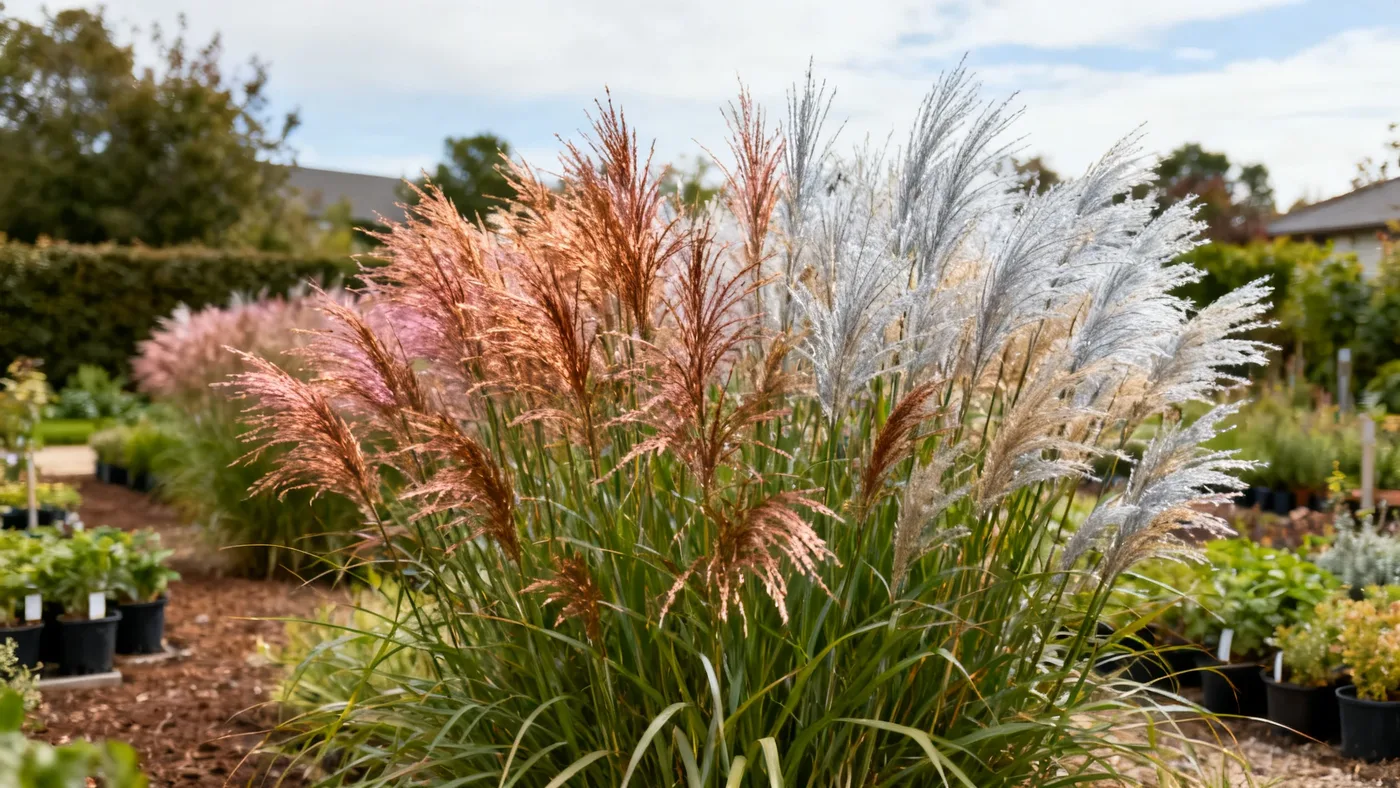
When Does Adagio Grass Bloom? Plumes and Color Guide
Late summer through fall is when Adagio Grass shows its most striking feature: delicate, feathery plumes that emerge from a neat foliage mound and persist through winter. If you're planning your garden or wondering why your Adagio isn't flowering yet, this guide covers bloom timing by zone, plume color progression, and the conditions that matter most. Whether you're in zone 5 or zone 9, understanding the bloom window helps you enjoy this ornamental grass at its peak and plan your garden around its seasonal changes.
When Adagio Grass Blooms: Timing by Zone
Adagio Grass (Miscanthus sinensis 'Adagio') typically flowers from late summer into fall, with the exact timing shifting by region and first frost date. In zones 5 to 9 where Adagio thrives, bloom generally arrives in August through October. Early bloomers in warmer zones may see plumes by mid-August; gardeners in cooler climates often wait until September or even early October.
Zone 5 and 6 gardeners should expect plumes to emerge in September, sometimes pushing into early October before frost halts growth. By then, the foliage has already begun its bronze-gold transition, and the contrast between tan leaves and coppery plumes is striking.
In zones 7 and 8, bloom typically begins in late August to early September, giving you a longer window to enjoy the plumes before winter dormancy. Zone 9 plantings may start flowering as early as mid-August and can continue through October if frost arrives late.
The key variable is your local first frost date. Adagio Grass is cold-hardy, but a hard freeze will stop active growth. However, the beauty of this grass persists: the plumes and dried foliage remain intact and ornamental through winter, providing structure long after bloom has finished.
Plume Colors: From Coppery-Pink to Silvery-White
One reason home gardeners love Adagio Grass is its subtle, sophisticated color progression. When plumes first emerge in late summer, they show a warm coppery-pink tone that catches the light beautifully. This fresh color lasts several weeks as the plume develops.
As fall progresses and temperatures cool, the plumes fade to a softer silvery-pink and eventually transition to silvery-white or pale tan by late autumn. This color shift is natural and part of the plant's seasonal rhythm. If your plumes look washed out or whitish by November, that's exactly what should happen. The same applies to the foliage mound: while plumes are coppery-pink, the blue-green blades gradually turn tan and bronze, creating a warm, monochromatic appearance that complements fall perennials like Sedum, Rudbeckia, and Echinacea.
This color palette is why Adagio Grass works so well as a design element. The muted, warm tones don't compete with bright fall mums or aggressive landscaping schemes. Instead, they unify and calm the late-season garden.
What You'll See at Peak Bloom
At full maturity, Adagio Grass reaches 3 to 4 feet tall, with the foliage mound standing 2.5 to 3 feet high and plumes extending it to 3.5 to 4.5 feet. This compact to moderate size makes it suitable for mixed borders, containers, and focal points without overwhelming smaller yards.
When blooming, each plume is narrow, feathery, and airy. They don't create a dense wall of flowers like some grasses; instead, they're wispy and light-catching, allowing you to see through them to the plants behind. The foliage itself maintains its fine texture and distinctive white midrib, which is visible on each narrow blade.
The mature clump spreads 2.5 to 3.5 feet wide, creating a full, rounded form by bloom time. A single plant at peak bloom is substantial enough to anchor a corner or serve as a specimen focal point without looking sparse or architectural in a harsh way.
Getting Blooms: Sunlight and Growth Timeline
Full sun is the key to abundant flowering and best plant habit. Adagio Grass tolerates light or partial shade, but both flowering and the overall form suffer in dimmer locations. In partial shade, plumes may be fewer, shorter, or delayed. The foliage also tends to flop or lodge in shaded spots, especially if the soil is too rich or the plant is overfertilized.
Plant Adagio in full sun (at least 6 to 8 hours of direct light) if flowering is your goal. Corner gardens or east-facing borders work well; avoid spots under tree canopies or in afternoon shade.
Patience is part of the process. Adagio Grass typically reaches full mature size and begins flowering well in its second to third growing season. A young plant from a quart or #1 container may not produce significant plumes in its first year; that's normal. By year two, a well-sited and watered plant will generate recognizable (though possibly fewer) plumes. By year three, you'll see the full display you're expecting.
Growth is moderate, adding roughly 6 to 12 inches of new foliage per year until the clump reaches its mature 2.5- to 3.5-foot width. Spring through early summer is the active growth phase; by late summer, the plant redirects energy into flowering.
Seasonal Timeline: What to Expect Month by Month
Spring (March-May): Cut back the old foliage to 4 to 6 inches above ground in late winter or early spring before new growth emerges. New shoots appear gradually and don't look like much until May, when growth accelerates. The plant may look dead for weeks; this is common and not a problem.
Summer (June-July): Foliage expands rapidly. The plant fills out, mounding 2 to 3 feet tall by July. The blue-green color is most vivid now. No flowers yet, but the form is taking shape.
Late Summer to Fall (August-October): Plumes emerge at the top of the mound. In zone 5 and 6, this begins in September; in warmer zones, July or August. Plumes start coppery-pink and gradually lighten. Foliage begins its shift to tan and bronze. This is the peak ornamental season.
Late Fall and Winter (November-February): Plumes age to silvery-white or pale tan. Foliage is fully bronze or tan. The dried structure remains intact and provides winter interest in the landscape and texture for dried arrangements. Leave it standing until early spring; don't cut it back in fall.
Extending Your Bloom Season and Winter Interest
Adagio Grass doesn't have a long flowering window in the traditional sense. Plumes appear over several weeks in late summer or fall and remain through winter, but they're not continuously "flowering" in the way annuals bloom over months. However, you can enjoy this plant across multiple seasons by leaving it standing.
Don't cut Adagio Grass back in fall, even if it looks tired. The persistent plumes and tan foliage add structure, movement, and visual interest through winter, especially when frost or light snow outlines them. Many gardeners find this dry phase is when the grass shines in the landscape.
Wait to prune until late winter or very early spring, right before new growth emerges. Cutting in early spring (late February to early March in most zones) ensures the old foliage is fresh and protective through the final cold snaps, and your timing aligns with the plant's natural cycle.
Pair Adagio with plants that bloom earlier or later to extend seasonal interest. Late-blooming Sedum, Russian Sage, and asters complement the grasses' fall show. By January, the dried plumes work with persistent seed heads from Black-eyed Susan and winter berries on shrubs.
Troubleshooting Bloom Issues
If your mature Adagio Grass isn't flowering, check sunlight first. Insufficient light is the most common culprit. A plant in partial shade may take longer to bloom or produce sparse plumes.
Overfertilizing causes lush foliage but fewer blooms and floppy growth. Adagio is a light feeder; a balanced slow-release fertilizer or light compost topdressing in spring is enough. Avoid feeding excessively.
Young plants take time. If your Adagio is in its first year, wait. Year two or three will show the plumes you planted for.
For more detailed care and seasonal steps, see the complete growing guide for Adagio Grass.
Quick Reference: Bloom Timeline and Care Checklist
| Season | Zone 5-6 Timing | Zone 7-8 Timing | Zone 9 Timing | What to Do |
|---|---|---|---|---|
| Spring | March-April: cut back to 4-6 in | March-April: cut back to 4-6 in | February-March: cut back to 4-6 in | Prune old foliage before new growth |
| Summer | Foliage mounding, no plumes yet | Foliage mounding, no plumes yet | Foliage mounding, possible early plumes by late July | Water regularly first year; let established plants lean on rainfall |
| Late Summer-Fall | Sept-Oct: coppery-pink plumes emerge | Aug-Sept: coppery-pink plumes emerge | July-Sept: coppery-pink to silvery-white transition | Enjoy peak bloom; no deadheading needed |
| Winter | Nov-Feb: silvery-white plumes, tan foliage | Nov-Feb: silvery-white plumes, tan foliage | Nov-Feb: silvery-white plumes, tan foliage | Leave standing for winter interest; do not cut back |
Bloom Summary for Adagio Grass:
- Plant in full sun for best flowering
- Expect full blooms in year 2 or 3
- Plumes appear August-October depending on zone
- Coppery-pink plumes age to silvery-white through fall
- Leave standing through winter for ornamental structure
- Prune to 4-6 inches in late winter or early spring
- Light feeder; avoid over-fertilizing
- Mature height at bloom: 3.5-4.5 feet (plumes included)