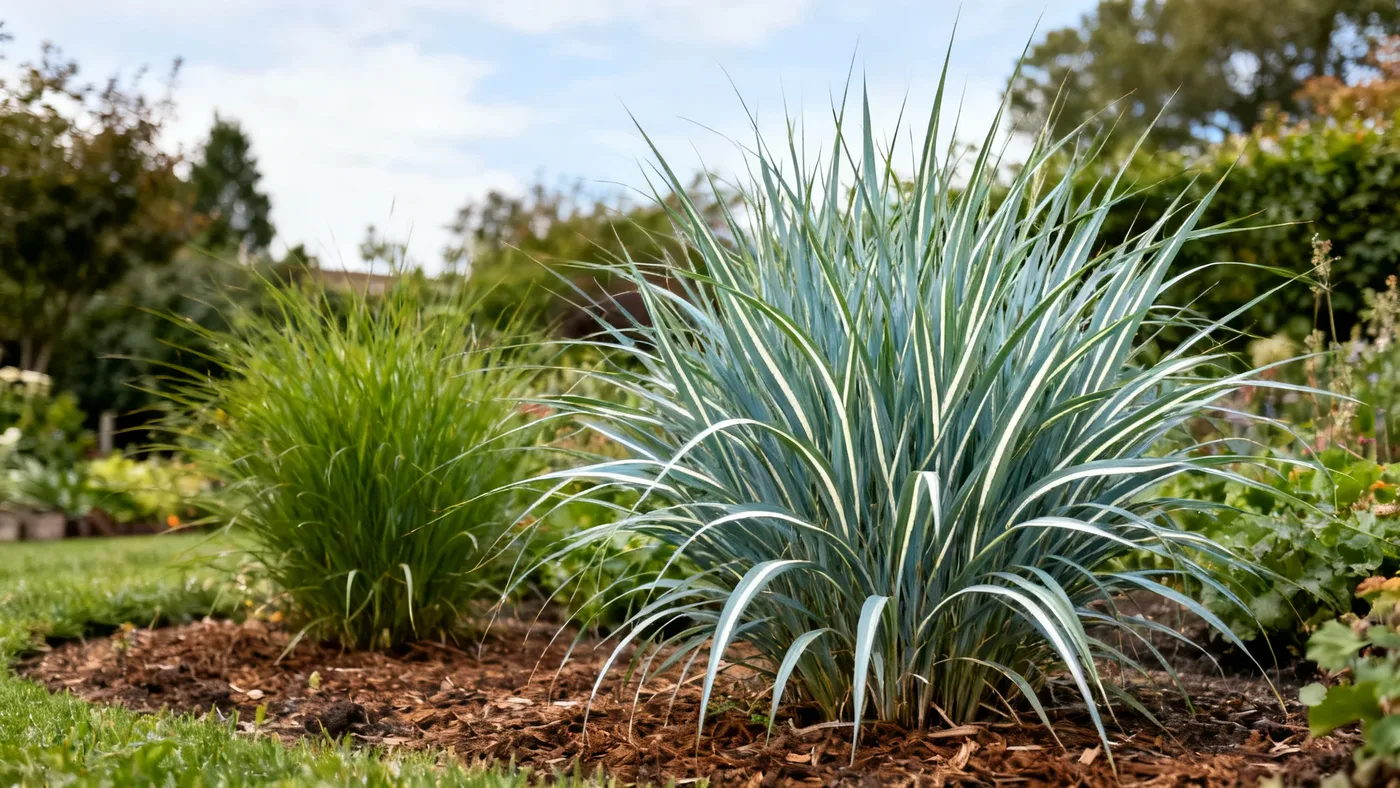
Winter Care for Adagio Grass: Protecting It From Cold
Adagio Grass stands out among ornamental grasses for its elegant presence through the coldest months. Unlike many garden plants that vanish entirely by November, this compact cultivar holds its structure all winter long, providing visual interest even when snow falls. But winter care for Adagio Grass is different from what you might do with tropical plants or tender perennials. In fact, the best thing you can do is often to do very little.
This guide walks you through what to do (and what not to do) to keep your Adagio Grass thriving from fall through spring. Whether you garden in the milder zones 8 and 9 or the colder reaches of zone 5, these practices will help your grass survive and even flourish.
Is Adagio Grass Evergreen in Winter?
No. Adagio Grass is a warm-season, deciduous perennial. This means it loses its green color entirely as temperatures drop. Around mid to late autumn, the narrow blue-green blades transform to tan and golden bronze. The silvery-pink plumes that emerged in late summer to fall age to silvery-white or tan by early winter. By the time hard frost arrives, the entire clump is dormant underground while the dried foliage stands above ground.
This dormancy is completely normal and healthy. Your Adagio Grass is not dead; it is resting and storing energy in its root system to fuel new growth in spring.
Why Leave Adagio Grass Standing Through Winter
The most important winter care decision is a negative one: do not cut back your Adagio Grass in fall. Leave the dried canes, foliage, and plumes intact until late winter or early spring.
There are several reasons. First, the standing dried foliage acts as insulation for the crown of the plant, protecting the growing point from extreme cold and frost heave (the process where repeated freeze-thaw cycles push plants out of the soil). Second, the dried plumes and structure provide visual interest in the winter landscape, adding subtle texture and movement when little else is awake. Third, birds and small wildlife use the dried seed plumes and canes for winter cover and nesting material. Finally, waiting until late winter or early spring to prune allows you to see which parts of the plant survived the coldest weather before you make cuts.
Even in the coldest zones where Adagio Grass is hardy (zone 5), leaving it standing through winter is the correct approach.
Cold Hardiness and Zone Considerations
Adagio Grass is rated hardy to USDA zones 5 through 9. This means it can survive winter temperatures in those zones without additional winter protection in most years.
If you garden in zones 5 or 6 (the northern edge of its range), your winters are harsh. Temperatures may drop well below zero Fahrenheit, and the plant will go completely dormant. In these zones, the frozen, standing foliage becomes brittle but still provides that critical insulation for the crown. In zones 7 through 9, winters are milder, and the plant may retain some green color in its lower foliage or begin to regrow sooner.
One additional consideration: in extremely cold zones or in years with ice storms, standing dried foliage can become matted or bent down by snow and ice. This does not harm the plant, but it may reduce the visual appeal. You can gently brush off heavy snow from the top of the clump after a storm if you wish, though it is not necessary.
Materials You Will Need
Winter care for Adagio Grass requires minimal materials:
- Pruning shears or a sharp knife (for the late-winter cutback)
- Pruning saw or hedge shears (optional, for thicker older stems)
- Work gloves (dried grass blades can be sharp)
- A firm grip and patience (waiting is the hardest part)
You do not need mulch, root protection coverings, or anti-desiccant sprays for Adagio Grass. Its hardy nature and dormancy strategy make these unnecessary.
Step-by-Step Winter Protection Guide
Step 1: Stop Fertilizing in Fall
Around late August or early September, stop applying fertilizer to your Adagio Grass. The plant is a light feeder anyway, but late-season fertilizer can encourage tender new growth that cold will kill. A spring application of balanced slow-release fertilizer or a light compost topdressing is all Adagio Grass needs each year.
Step 2: Allow the Foliage to Transition Naturally
As temperatures drop, watch the foliage color change from blue-green to tan and golden bronze. This is the plant preparing itself for dormancy. Do not deadhead the spent plumes. Let them age to silvery-white or tan. Do not remove any part of the plant yet.
Step 3: Monitor for Waterlogged Soil
Adagio Grass prefers moist but not waterlogged soil. In winter, reduced evaporation means the soil stays wetter longer. If your site has poor drainage and you see standing water or very soggy soil around the base of the plant after heavy rain or snowmelt, improve drainage for next season by adding compost or coarse sand to the top 2 to 3 inches of soil or by redirecting runoff away from the planting site. Do not attempt this in frozen ground; plan it for spring or fall.
Step 4: Leave the Dried Foliage and Plumes Standing
From November through late February (or when you see new green growth beginning to emerge), your Adagio Grass should remain uncut. The standing dried material insulates the crown and provides wildlife habitat. In harsh winters, this is when the plant is at its most vulnerable, and the dried foliage is its protection.
Step 5: Observe for Signs of New Growth
In late February or March (depending on your zone), watch the base of your Adagio Grass clump for signs of new green growth emerging. Typically, this appears as tiny green shoots at the very base of the mound. Once you see this growth, the worst of winter is behind you and it is time to prune.
Step 6: Cut Back in Late Winter or Early Spring
Using sharp pruning shears or a hedge knife, cut the entire Adagio Grass clump back to 4 to 6 inches above the ground. Make your cuts as close to the soil surface as safely possible. If the clump is very large or old, a pruning saw or hedge shears will make the job faster and easier. Remove all the cut material and place it in a compost bin or pile. Some gardeners spread the cut canes on beds as mulch, which is also fine.
Do this job before new growth reaches more than 2 to 3 inches tall. Cutting into vigorous new growth can slow the plant's spring emergence.
Step 7: Apply Spring Topdressing
Once the clump is cut back and you can see the bare soil clearly, apply 1 to 2 inches of compost or a balanced slow-release fertilizer around the base, keeping it an inch or two away from the center of the clump. This feeds the plant as new growth emerges and improves soil structure over time.
Tips and Common Mistakes to Avoid
Do not cut back in fall. This is the most important rule. Cutting the foliage in October or November removes the insulation the plant needs and exposes the crown to deep freeze and frost heave.
Do not apply heavy mulch around the base. While a light 1-inch topdressing of compost is fine, piling mulch 4 inches deep around the crown can trap moisture and encourage rot. Adagio Grass does not need deep mulch even in zone 5.
Do not worry about brown color. The tan and golden-bronze foliage in winter is not a sign of disease or failure. It is exactly what should happen. This color change is the plant's normal dormancy strategy.
Do not overwater during freeze periods. Reduce watering in late fall and winter unless you are in a very dry climate. The plant needs little to no water while dormant, and excess moisture in frozen soil can cause root rot in poorly drained sites.
Timing matters more than the exact date. Late-winter cutback means after the worst cold has passed but before vigorous new growth starts. In zone 5, this might be mid-March. In zone 8, it might be February. Pay attention to when new shoots emerge in your garden, not a calendar date.
Expected Results
If you leave your Adagio Grass standing through winter and cut it back in late winter or early spring as described, you can expect the following:
The plant will emerge in spring with fresh, vigorous new growth. The new blue-green foliage will reach its full mature height of 3 to 4 feet (foliage mound 2.5 to 3 feet, with plumes extending it to 3.5 to 4.5 feet) by mid to late summer. Flowering will begin in late summer, typically August through October depending on your region. The plant will be denser and healthier than if it had been cut back improperly in fall.
Your Adagio Grass should thrive for many years with this simple winter care routine. Over time (every 3 to 4 years), you may want to divide the clump in early spring to rejuvenate it and maintain vigor, though this is optional.
For more details on year-round Adagio Grass care, see our complete growing guide.
Quick Reference: Winter Care Checklist
| When | Action | Why |
|---|---|---|
| August-September | Stop fertilizing | Avoid tender fall growth that cold will damage |
| Fall (Oct-Nov) | Leave foliage and plumes standing | Insulates crown; provides wildlife habitat |
| Winter (Dec-Feb) | Monitor drainage; leave plant untouched | Plant is dormant and protected by dried foliage |
| Late February-March | Watch for green shoots at base | Signal that worst cold has passed |
| Late Winter/Early Spring | Cut back to 4-6 inches above ground | Remove dead material; stimulate new growth |
| Right after cutback | Apply compost or balanced fertilizer topdressing | Feeds emerging new growth |
| Hardy Zones | Zones 5-9 (Adagio is rated hardy to zone 5) | No extra protection needed in these zones |