Adagio Grass vs Feather Reed Grass: Which Should You Grow?
If you're shopping for an ornamental grass to anchor a border or create structure in the garden, you've likely encountered two names: Adagio Grass and Feather Reed Grass. These cousins in the Poaceae family look similar at first glance, but they behave quite differently in the garden. The choice between them comes down to your climate, soil moisture availability, and how much height you actually want.
Quick Plant Profiles
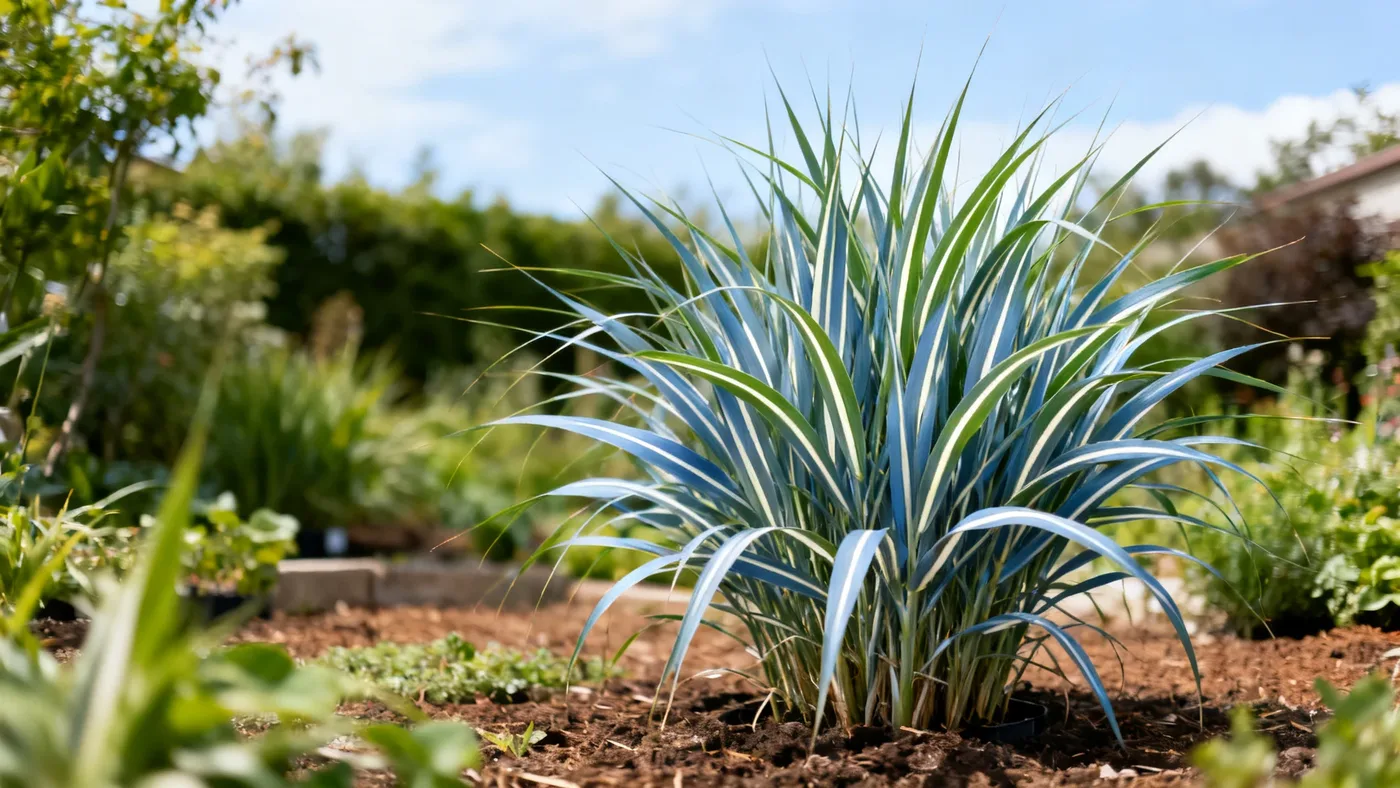
Adagio Grass is the cultivar Miscanthus sinensis 'Adagio', also sold as Adagio Maiden Grass or Dwarf Maiden Grass. It is a warm-season perennial grass that reaches 3 to 4 feet tall at maturity. The foliage forms a mound about 2.5 to 3 feet high, and the plumes extend the overall height to 3.5 to 4.5 feet. The narrow foliage is blue-green to gray-green with a distinctive white midrib. Coppery-pink to silvery-pink plumes appear in late summer through fall, typically August through October depending on your region.
Feather Reed Grass, the common name for Calamagrostis species (often the cultivar Karl Foerster), is a cool-season ornamental grass. It grows taller and narrower than Adagio, with a more formal, upright form. The plumes take on a feathery, bristly appearance that gives the grass its name.
Side-by-Side Comparison Table
| Attribute | Adagio Grass | Feather Reed Grass |
|---|---|---|
| Botanical Name | Miscanthus sinensis 'Adagio' | Calamagrostis x acutiflora (typically 'Karl Foerster') |
| USDA Hardiness Zones | 5–9 | 4–9 (more cold-hardy) |
| Mature Height (foliage mound) | 2.5–3 ft | 3–4 ft (varies by cultivar) |
| Height with Plumes | 3.5–4.5 ft | 4–5+ ft (taller overall) |
| Mature Width | 2.5–3.5 ft | Narrower, more columnar form |
| Growth Rate per Year | 6–12 in; reaches full size in 2–3 years | Moderate to fast (varies by cultivar) |
| Sun Requirement | Full sun; tolerates light/part shade | Full sun preferred; tolerates part shade |
| Water Needs | Average; moderately drought-tolerant once established | Prefers consistently moist soil; less drought-tolerant |
| Soil Type Preference | Adaptable to most well-drained soils, including clay | Prefers moist, well-draining soil; sensitive to poor drainage |
| Bloom Time | Late summer to fall (Aug–Oct) | Mid-summer (June–July) |
| Plume Color | Coppery-pink to silvery-white/tan | Silvery-tan, feathery appearance |
| Winter Interest | Yes; tan foliage and persistent plumes through winter | Yes; dried structure remains |
| Pruning Time | Late winter/early spring; cut to 4–6 in above ground | Early spring before new growth |
| Planting Spacing | 24–36 in apart | Varies by cultivar (consult tag) |
| Deer Resistance | High | Typically high |
Adagio Grass: Pros and Cons
Pros:
- Compact and dwarf. At 3 to 4 feet tall, with a foliage mound of 2.5 to 3 feet, Adagio fits smaller spaces and mixed borders without overwhelming nearby plants. Spacing of 24 to 36 inches apart means you can create full borders with fewer plants.
- Drought tolerant once established. After the first season of regular watering, Adagio tolerates dry spells well. Ideal for water-conscious gardens and regions with variable rainfall.
- Soil adaptable. Thrives in clay, sandy, or well-drained soils with minimal amendment needed. Unlike fussier grasses, it won't demand perfectly prepared beds.
- Long fall and winter color. Coppery-pink to silvery-pink plumes age to silvery-white and remain standing through fall and into winter, extending seasonal interest beyond the typical frost date.
- Fine foliage texture. Narrow, blue-green to gray-green blades with a white midrib catch light throughout the growing season, adding subtle elegance to borders.
- Reliable flowering in zones 5–9. Proven cold hardiness across a wide range means fewer surprises in northern gardens.
Cons:
- Slow spring emergence. Warm-season grasses wake up late. Adagio may look dead or dormant until late May or June, requiring patience. Full maturity takes 2 to 3 years.
- Reduced flowering in shade. Plant in light or part shade, and plume production drops. The foliage may also look floppy without adequate sun.
- Flops in overly rich soil. Too much compost or fertilizer weakens stems, especially in shade or moisture-heavy sites. Less-is-more feeding is key.
- Late blooms. Flowering doesn't start until August at the earliest. If you want summer plumes, Adagio won't deliver.
Feather Reed Grass: Pros and Cons
Pros:
- Taller overall structure. Reaching 4 to 5 feet or more with plumes, Feather Reed Grass creates more dramatic vertical accent and better privacy screening than Adagio.
- Earlier summer blooms. Plumes appear in mid-summer, June through July. You get weeks of ornamental interest before Adagio even opens its first flowers.
- More cold-hardy. Zones 4–9 mean it's an option in colder regions where Adagio (zones 5–9) may struggle in the hardest winters.
- Formal, upright form. The narrow, columnar habit suits contemporary and structured garden designs. Each plant stands as a distinct vertical element.
- Emerges earlier in spring. Cool-season grasses wake up in mid-spring, so you see active growth sooner than with warm-season Adagio.
Cons:
- Moisture demands. Feather Reed Grass prefers consistently moist soil. In drought years or arid climates, it struggles and may decline without supplemental water.
- Sensitive to poor drainage. Waterlogged or clay-heavy soil without amendment can lead to root rot and fungal disease.
- Takes up more vertical space. At 4 feet tall and more, it may shade nearby perennials or feel too imposing in small gardens.
- Shorter ornamental window in winter. Plumes senesce earlier than Adagio's, so the dried structure fades sooner in late fall.
- Less adaptable. Requires site prep, consistent moisture, and good drainage. More work upfront and more fussy day-to-day than Adagio.
Best For: Adagio Grass
- Smaller residential gardens. The compact 3 to 4-foot height and 2.5 to 3.5-foot spread fit mixed borders, foundation plantings, and tight spaces without overwhelming the design.
- Dry sites and water-conscious landscapes. Once established, Adagio is moderately drought-tolerant and excels in xeriscape schemes and regions with limited summer rainfall.
- Challenging soils. Clay, compacted, or sandy soils pose no real problem for Adagio, as long as drainage is adequate. No heavy soil amendment required.
- Extended late-season color. Gardeners wanting coppery-pink to silvery plumes that persist through November and into winter choose Adagio for maximum fall interest.
- Perennial borders with companions. Adagio pairs naturally with Sedum, Rudbeckia, Echinacea, Russian sage, asters, and ornamental sedges, thanks to its moderate height and width.
- Zones 5–9. It's the go-to dwarf Miscanthus if you're in this hardiness range and want proven cold hardiness without annual winter die-back.
- Low-maintenance gardens. For tips on giving your new Adagio a strong first season, see how to plant Adagio Grass for a strong first season.
Best For: Feather Reed Grass
- Tall screens and backdrop plantings. If you need 4 feet of vertical structure or more, Feather Reed Grass delivers drama and effective privacy screening.
- Moist or average-water gardens. In sites where moisture stays consistent (near downspouts, swales, or naturally wet microclimates), Feather Reed Grass thrives without stress.
- Mid-summer bloom timing. Early plumes (June–July) extend your ornamental grass season and provide color before Adagio and other late bloomers emerge.
- Formal and contemporary designs. The narrow, columnar form and feathery plumes work beautifully in geometric, structured landscapes and architectural gardens.
- Zone 4 gardens. If you're in zone 4, Feather Reed Grass is more reliable than Adagio, which is rated for zones 5–9.
- Architectural accent. Its upright, sculptural form makes it a statement plant on its own, anchoring a view or framing an entryway.
The Verdict
Choose Adagio Grass if you want a compact, drought-tolerant, low-maintenance dwarf miscanthus that rewards you with coppery-pink plumes from August through winter. It works in smaller gardens, clay soils, and water-limited regions. For complete care information, explore our complete growing guide for Adagio Grass.
Choose Feather Reed Grass if you need taller structure, earlier summer flowers, a formal appearance, or you live in zone 4. Expect to manage moisture and invest in soil preparation, but you'll gain weeks of early-season plumes and dramatic height.
In practical terms: Adagio is the low-fuss, space-saving choice for dry to average gardens. Feather Reed Grass is the tall, early-blooming performer for gardeners willing to ensure consistent moisture and design structured landscapes.
Quick Reference: At a Glance
| Decision Point | Choose Adagio Grass If | Choose Feather Reed Grass If |
|---|---|---|
| Garden size | Small to medium spaces | Need tall vertical accent or screen |
| Available moisture | Dry to average; drought-tolerant | Moist or consistently watered |
| Soil type | Clay, sandy, or variable soils | Well-prepped, moist, well-draining |
| Bloom timing | Late summer through fall (Aug–Oct) | Mid-summer (June–July) |
| Winter interest | Plumes persist through winter | Shorter winter ornamental window |
| Hardiness zone | Zones 5–9 | Zones 4–9 |
| Garden style | Informal, perennial borders | Formal, contemporary, structured |
| Height at maturity | 3–4 ft (compact) | 4–5+ ft (tall) |
| Maintenance level | Low; adaptable and forgiving | Moderate; requires site prep and water |